/filters:format(jpeg,png)/fit-in/300x300/guide_websites/182861/images/1787627663117stripsetflyfishing.jpg)
/filters:format(jpeg,png)/fit-in/237x80/guide_websites/182861/images/1787627663117stripsetflyfishing.jpg)
/users/0cd9a88c-b52d-4c74-8a1b-07efaccf5e7a/ratecard/48e055e5-efc6-46ea-854e-fb960fc759dc-msjr11x5.jpg)
%2F300x300%2Fusers%2F0cd9a88c-b52d-4c74-8a1b-07efaccf5e7a%2Fratecard%2F48e055e5-efc6-46ea-854e-fb960fc759dc-msjr11x5.jpg&w=256&q=75)
%2F300x300%2Fusers%2F0cd9a88c-b52d-4c74-8a1b-07efaccf5e7a%2Fimages%2Fel-cerrito-striped-bass-catch-2367.jpg&w=256&q=75)
%2F300x300%2Fusers%2F0cd9a88c-b52d-4c74-8a1b-07efaccf5e7a%2Fimages%2Fel-cerrito-striped-bass-catch-2380.jpg&w=256&q=75)
%2F300x300%2Fusers%2F0cd9a88c-b52d-4c74-8a1b-07efaccf5e7a%2Fimages%2Fel-cerrito-striped-bass-catch-2464.jpg&w=256&q=75)
%2F300x300%2Fusers%2F0cd9a88c-b52d-4c74-8a1b-07efaccf5e7a%2Fimages%2Fel-cerrito-beach-fishing-sunset-2322.jpg&w=256&q=75)
%2F300x300%2Fusers%2F0cd9a88c-b52d-4c74-8a1b-07efaccf5e7a%2Fimages%2Ffresh-oyster-catch-el-cerrito-2391.jpg&w=256&q=75)
%2F300x300%2Fusers%2F0cd9a88c-b52d-4c74-8a1b-07efaccf5e7a%2Fimages%2Fel-cerrito-striped-bass-catch-2403.jpg&w=256&q=75)
%2F300x300%2Fusers%2F0cd9a88c-b52d-4c74-8a1b-07efaccf5e7a%2Fimages%2Fel-cerrito-fish-catch-lure-2442.jpg&w=256&q=75)
%2F300x300%2Fusers%2F0cd9a88c-b52d-4c74-8a1b-07efaccf5e7a%2Fimages%2Fel-cerrito-striped-bass-fly-2401.jpg&w=256&q=75)
%2F300x300%2Fusers%2F0cd9a88c-b52d-4c74-8a1b-07efaccf5e7a%2Fimages%2Fel-cerrito-striped-bass-catch-2347.jpg&w=256&q=75)
%2F300x300%2Fusers%2F0cd9a88c-b52d-4c74-8a1b-07efaccf5e7a%2Fimages%2Fel-cerrito-striped-bass-catch-2450.jpg&w=256&q=75)
Dusk Shoreline Halibut & Bass Clinic
 San Francisco, CA
What you will be catching:
 Barred Surfperch
 Pacific Halibut
 Striped Bass
- Evening halibut and bass fishing clinic
- Professional casting and line management coaching
- High-end gear and equipment provided on-site
Trip Pricing and Availabilities:
Dusk Shoreline Halibut & Bass Clinic
Picture yourself standing on the Pacific sand as the day winds down, waves rolling in steady rhythm while you perfect your fly casting technique. This isn't your typical guided fishing trip – it's a focused coaching session designed to dial in your surf fly fishing skills while targeting some of the coast's most sought-after species. Whether you're brand new to saltwater fly fishing or looking to tighten up your presentation, this one-on-one clinic puts you right where the action happens. We meet directly on the beach, gear in hand, ready to work the productive evening hours when coastal predators move into the shallows to feed.
What to Expect on the Water
This top-rated shoreline session runs during prime time – those golden hours when the light starts to fade and fish activity picks up. You'll have my undivided attention as your personal coach, working through the fundamentals of surf fly fishing or fine-tuning techniques you've been struggling with. We supply all the high-end gear, from fast-action rods built for the salt to proven fly patterns that consistently produce fish along this stretch of coast. The beauty of fishing from the beach is the solid footing – no boat deck motion to worry about, just you, the sand, and plenty of room to practice your backcast. We'll focus heavily on line management since that's what separates successful surf anglers from those who spend more time untangling than fishing. Reading water becomes crucial as evening approaches, and I'll show you how subtle changes in wave action, foam lines, and current breaks reveal where fish are likely holding.
Casting Techniques & Gear
Surf fly fishing demands specific techniques that differ significantly from freshwater or even offshore saltwater fishing. We'll work on generating tight loops that cut through coastal wind, timing your presentation with wave action, and managing your shooting line in the surf. The single-handed 9-weight rods we provide are perfectly matched to intermediate sinking lines that get flies down to feeding fish quickly. Tippet selection becomes critical in this environment – too light and you'll break off on structure or strong fish, too heavy and presentations look unnatural. I'll walk you through building leaders that turn over properly in wind while maintaining the stealth needed to fool pressured coastal fish. Strip-setting techniques replace the trout angler's lifting motion, and we'll practice that muscle memory until it becomes automatic. The coastal environment teaches patience and precision – skills that translate to better fishing anywhere you cast a fly.
Species You'll Want to Hook
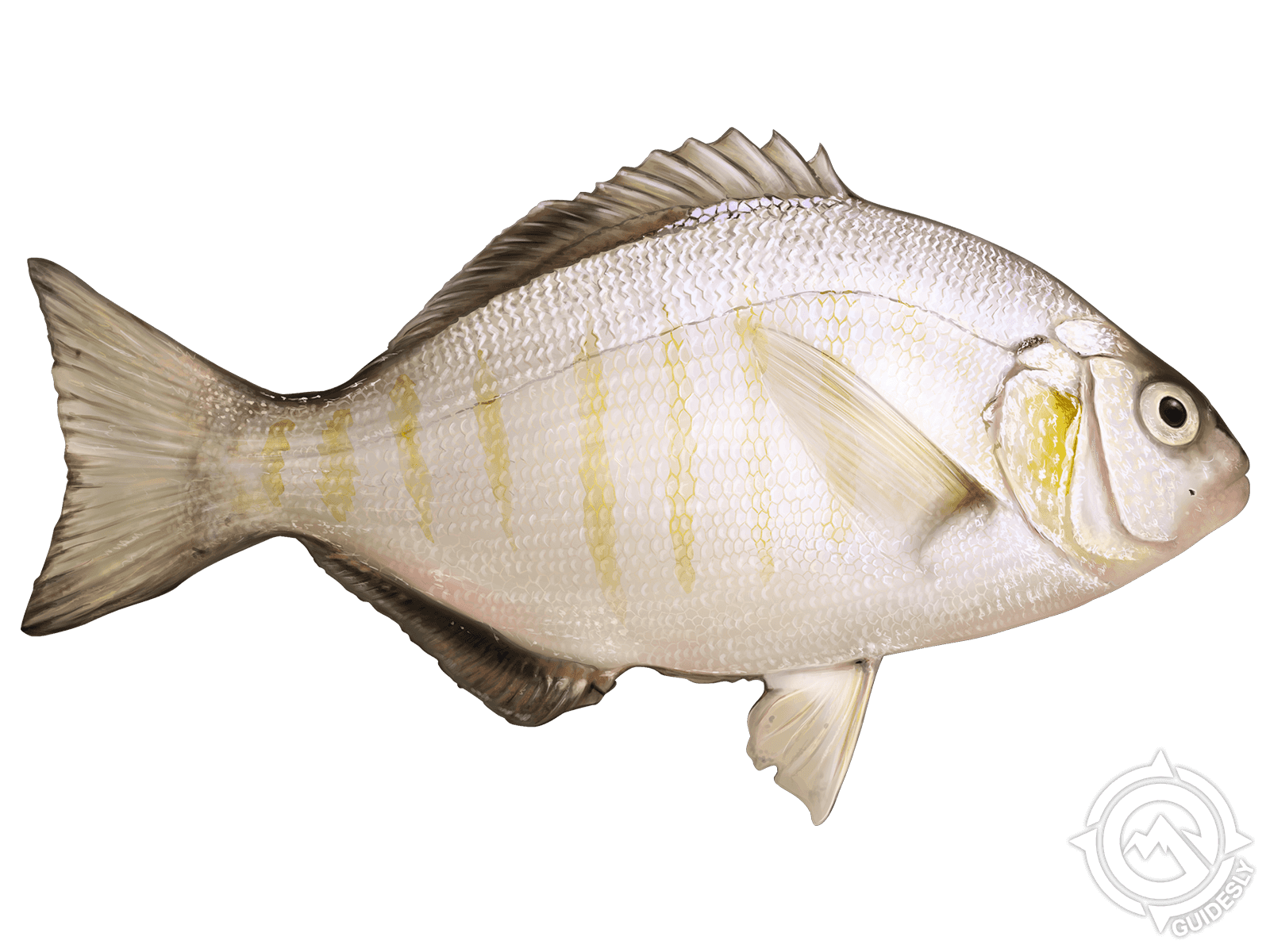
Barred Surfperch represent the most reliable action along this coastline, especially during evening hours when they push into surprisingly shallow water to feed on sand crabs and marine worms. These scrappy fighters typically run 1-3 pounds but punch well above their weight class, making screaming runs parallel to the beach. What makes them perfect for fly fishing is their willingness to take well-presented patterns – small Clouser Minnows and crab imitations work consistently. Peak season runs from late spring through early fall, though you can find them year-round if you know where to look.
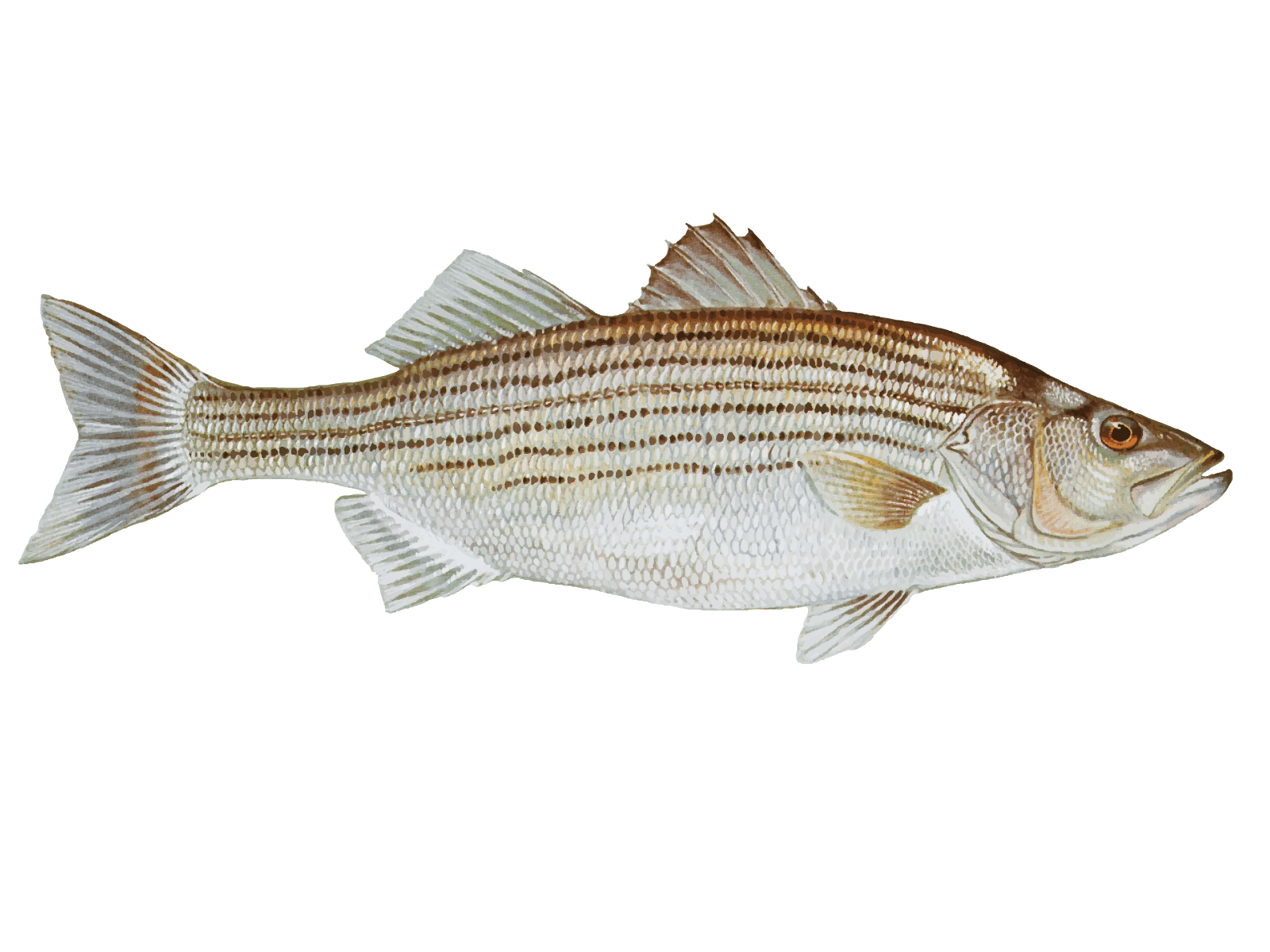
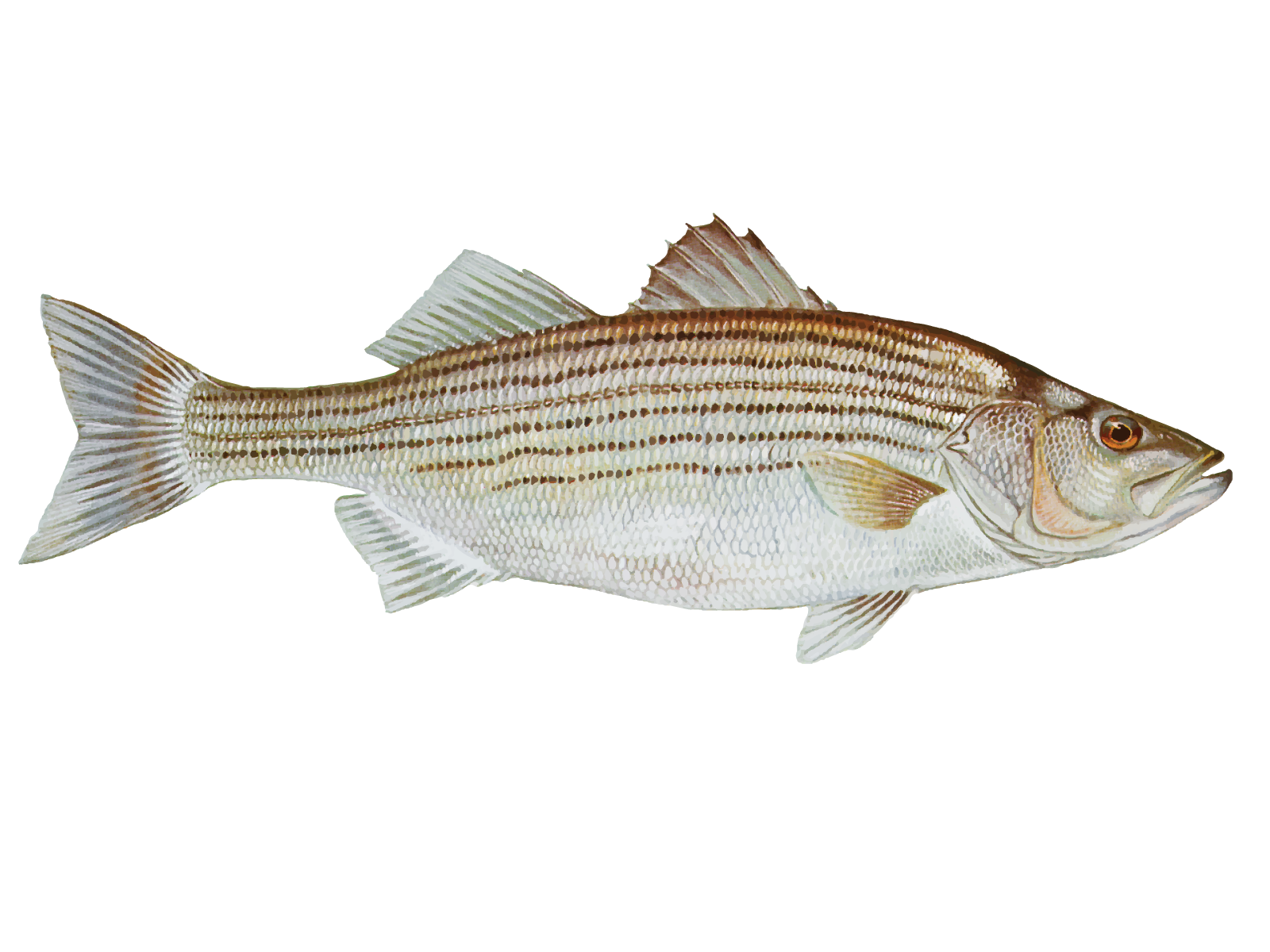
Striped Bass are the crown jewel of Pacific coast surf fishing, and this area produces fish ranging from schoolie-sized 18-inchers up to legitimate 30-pound cows. These predators patrol the surf zone looking for baitfish, and when conditions align, the fishing can be world-class. Evening hours are prime time as bass move into the wash to ambush prey silhouetted against the fading light. They're incredibly line-shy, making fly fishing often more effective than conventional tackle. When you hook a quality striper in the surf, you'll understand why anglers become obsessed – the combination of power, speed, and acrobatics in shallow water creates fishing memories that last a lifetime.
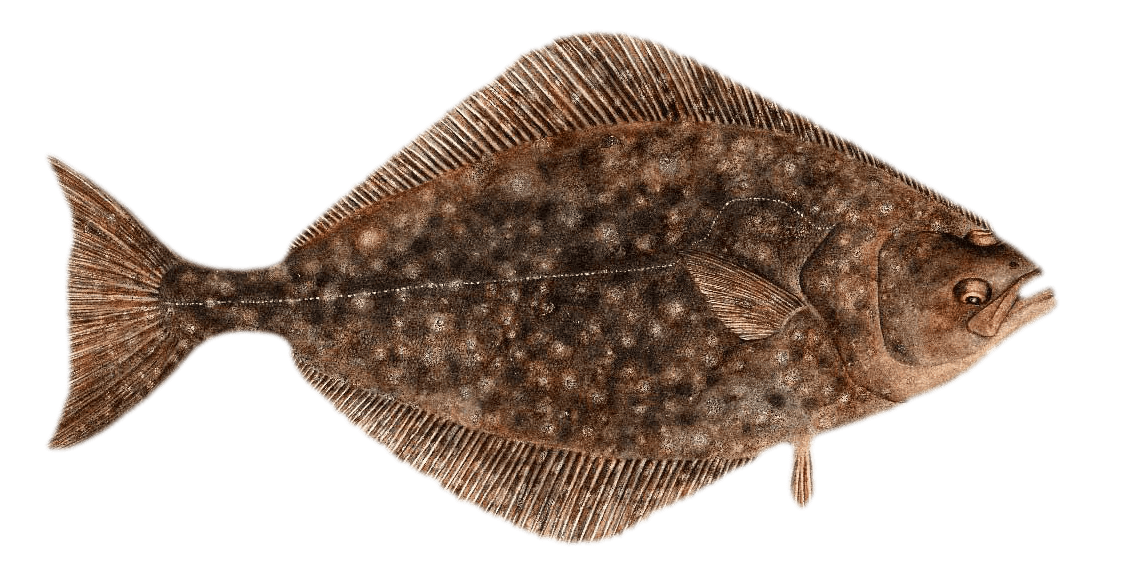
Pacific Halibut might seem like an unusual target for fly fishing, but juvenile "chicken" halibut between 5-15 pounds regularly cruise these sandy beaches hunting for prey. These flatfish are ambush predators that explode off the bottom when they strike, creating some of the most surprising hookups you'll experience. They're seasonal visitors, most common from mid-summer into early fall when water temperatures peak. What makes them so exciting on a fly rod is their unpredictability – you might be stripping a pattern for surfperch when suddenly your line goes tight and a halibut starts bulldogging toward deeper water. Their table quality is exceptional, making them a true bonus fish that combines sport with a fantastic meal.
Time to Book Your Spot
This customer-favorite clinic fills up quickly, especially during prime season when all three target species are most active. The personalized instruction and premium gear make it an incredible value for anyone serious about improving their surf fly fishing game. You'll leave with skills that work anywhere along the Pacific coast, plus the confidence to tackle similar water on your own. The evening timing means you can easily fit this session into a weekend trip or vacation schedule. Don't wait – the best fishing happens when conditions align perfectly, and those windows don't stay open long. Book your spot and get ready to experience some of the most productive and educational time you'll spend on the Pacific shoreline.
Learn more about the animals
Barred Surfperch
These silvery beauties with their distinctive bronze bars are the bread and butter of Pacific surf fishing. Most run 8-12 inches and rarely top 4 pounds, but they make up for size with reliability - you can find them year-round in the sandy surf just outside the breakers. They're perfect for learning proper surf presentation since they feed heavily on sand crabs right in the zone where waves meet sand. December through January offers peak action, though they bite consistently through all seasons. What guests love most is how cooperative they are with flies when you match their natural diet. Here's a local trick: when the surf gets active and churns up sand crabs, work your fly with short, quick strips right in that muddy water where the waves crash - that's exactly where these fish expect their next meal to appear.
Pacific Halibut
These flatfish giants are the holy grail of Pacific bottom fishing, capable of reaching massive proportions while offering some of the finest table fare in the ocean. Most halibut we encounter run 20-40 pounds, though 100-pounders aren't uncommon and true monsters can push 200-plus. They're bottom dwellers that prefer depths from 20 to several hundred feet, lying in wait on sandy or muddy flats near structure. Summer brings them into shallower water to feed more actively, making it prime season for targeting them. What guests love is the initial surprise - often you think you're snagged on bottom until this "rock" starts peeling drag. The fight is more bulldogging power than speed, but landing a barn door halibut is a career moment. Here's the key: once you feel that subtle tap, don't set the hook hard - let them take it and swim off a bit before applying steady pressure. They bite gently but hold on tight.
Striped Bass
Pacific stripers are the ultimate surf predator, running anywhere from schoolie size up to 40-pound bruisers that'll test your backing. These silver torpedoes with their signature black stripes hunt aggressively in the shallows during evening hours, making them perfect targets for our dusk sessions. You'll find them cruising structure like rocks, pilings, and drop-offs, but they also patrol open sandy beaches chasing baitfish. Spring through fall offers the best action, especially when they're feeding up before winter. What makes stripers special is their aggressive strikes and powerful runs - they're built for speed and they'll use it. The meat is also top-shelf eating with a sweet, firm texture. Pro tip: when you see birds working offshore, cast beyond the bait schools and strip back through them - hungry stripers often hunt the edges where wounded baitfish drop out of the chaos.