/filters:format(jpeg,png)/fit-in/300x300/guide_websites/182861/images/1787627663117stripsetflyfishing.jpg)
/filters:format(jpeg,png)/fit-in/237x80/guide_websites/182861/images/1787627663117stripsetflyfishing.jpg)
/users/0cd9a88c-b52d-4c74-8a1b-07efaccf5e7a/ratecard/8ab258df-f035-42a0-8e31-6d3c40f58bda-msjrdpyo.jpg)
%2F300x300%2Fusers%2F0cd9a88c-b52d-4c74-8a1b-07efaccf5e7a%2Fratecard%2F8ab258df-f035-42a0-8e31-6d3c40f58bda-msjrdpyo.jpg&w=256&q=75)
%2F300x300%2Fusers%2F0cd9a88c-b52d-4c74-8a1b-07efaccf5e7a%2Fimages%2Fel-cerrito-striped-bass-catch-2367.jpg&w=256&q=75)
%2F300x300%2Fusers%2F0cd9a88c-b52d-4c74-8a1b-07efaccf5e7a%2Fimages%2Fel-cerrito-striped-bass-catch-2380.jpg&w=256&q=75)
%2F300x300%2Fusers%2F0cd9a88c-b52d-4c74-8a1b-07efaccf5e7a%2Fimages%2Fel-cerrito-striped-bass-catch-2464.jpg&w=256&q=75)
%2F300x300%2Fusers%2F0cd9a88c-b52d-4c74-8a1b-07efaccf5e7a%2Fimages%2Fel-cerrito-beach-fishing-sunset-2322.jpg&w=256&q=75)
%2F300x300%2Fusers%2F0cd9a88c-b52d-4c74-8a1b-07efaccf5e7a%2Fimages%2Ffresh-oyster-catch-el-cerrito-2391.jpg&w=256&q=75)
%2F300x300%2Fusers%2F0cd9a88c-b52d-4c74-8a1b-07efaccf5e7a%2Fimages%2Fel-cerrito-striped-bass-catch-2403.jpg&w=256&q=75)
%2F300x300%2Fusers%2F0cd9a88c-b52d-4c74-8a1b-07efaccf5e7a%2Fimages%2Fel-cerrito-fish-catch-lure-2442.jpg&w=256&q=75)
%2F300x300%2Fusers%2F0cd9a88c-b52d-4c74-8a1b-07efaccf5e7a%2Fimages%2Fel-cerrito-striped-bass-fly-2401.jpg&w=256&q=75)
%2F300x300%2Fusers%2F0cd9a88c-b52d-4c74-8a1b-07efaccf5e7a%2Fimages%2Fel-cerrito-striped-bass-catch-2347.jpg&w=256&q=75)
%2F300x300%2Fusers%2F0cd9a88c-b52d-4c74-8a1b-07efaccf5e7a%2Fimages%2Fel-cerrito-striped-bass-catch-2450.jpg&w=256&q=75)
Full Day San Francisco Shore Fishing Experience
 San Francisco, CA
What you will be catching:
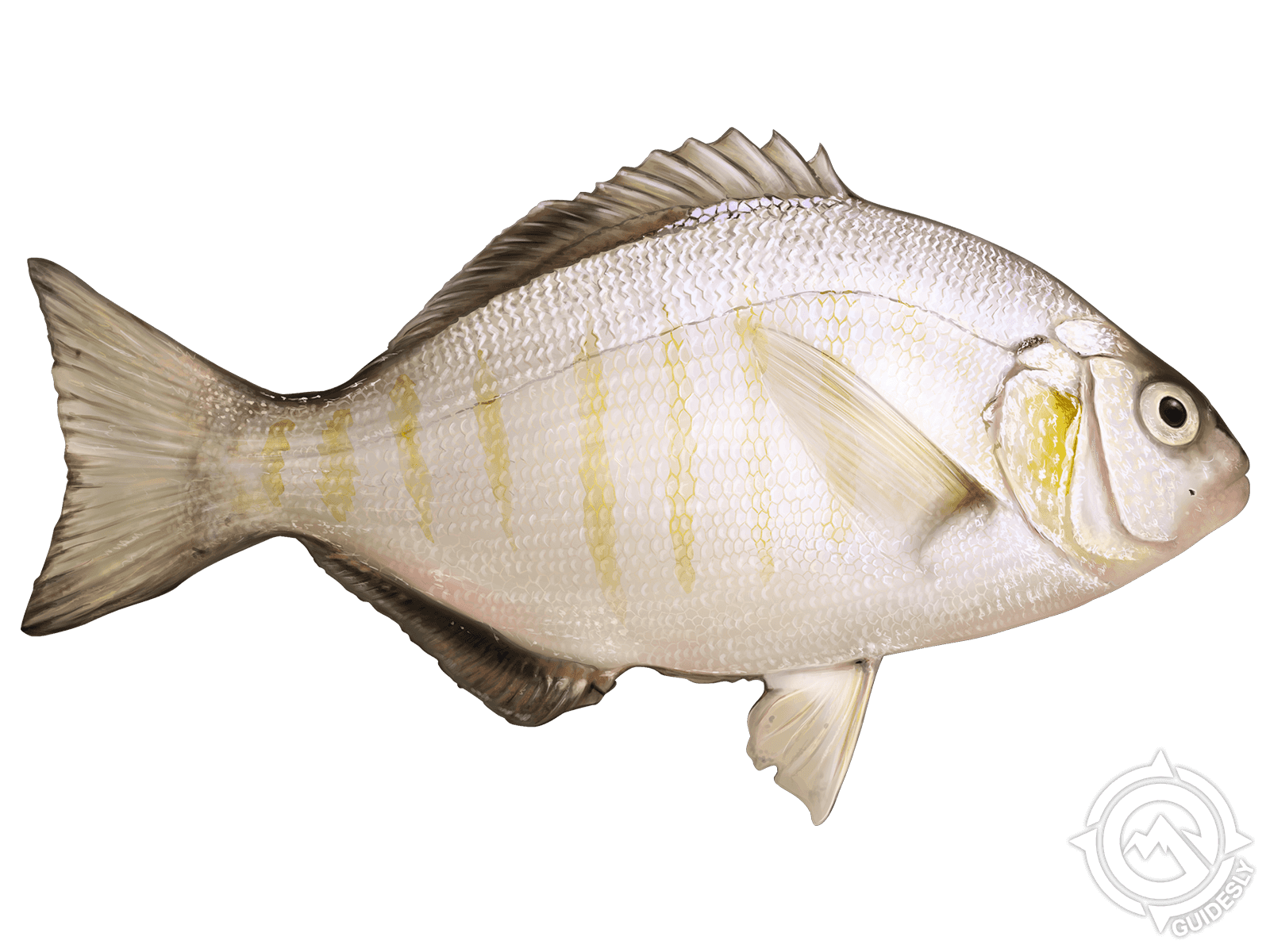
 Barred Surfperch
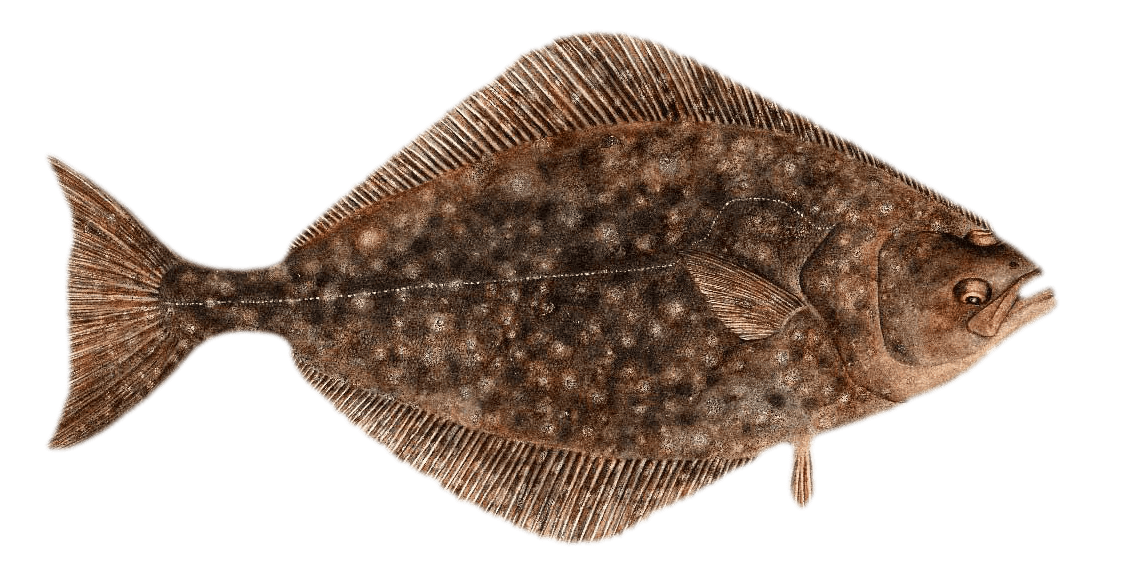
 Pacific Halibut
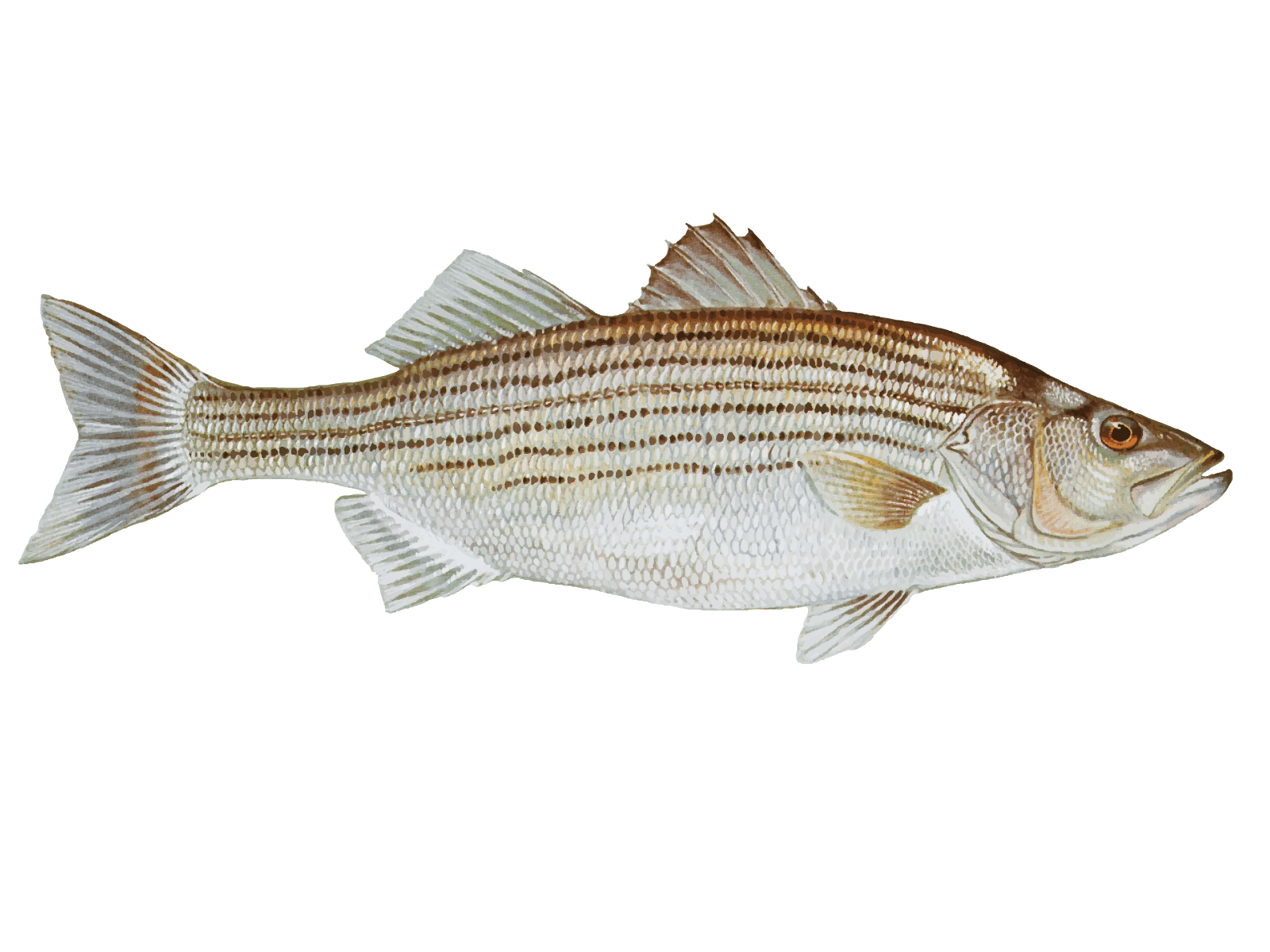
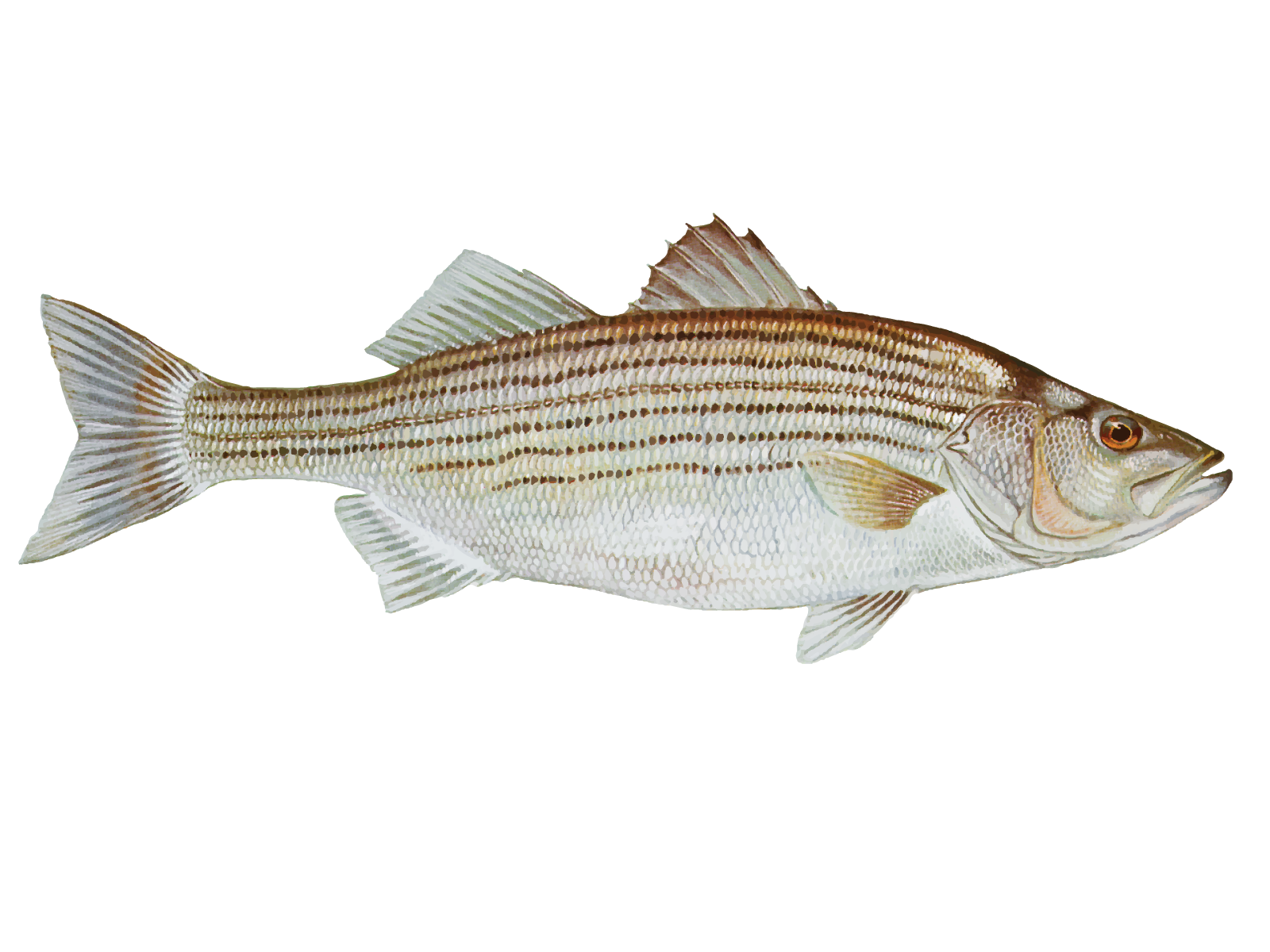 Striped Bass
- Full-day shore casting instruction at San Francisco beaches
- Advanced technique training with premium rods and custom flies
- Complete surf fishing immersion covering tides and feeding zones
Trip Pricing and Availabilities:
Full Day San Francisco Shore Fishing Experience
Ready to really dig into what San Francisco's coastline has to offer? This isn't your typical few-hours-and-you're-done trip. We're talking about a complete shore fishing immersion that'll have you working different beaches, reading tide changes, and fine-tuning your cast from dawn till dusk. It's just you and me out there, which means every minute is focused on getting you dialed in. By the end of this day, you'll understand why so many anglers consider the SF coastline some of the best shore fishing on the West Coast.
What to Expect on the Water
This trip is all about coverage and adaptation. We'll hit multiple spots along the San Francisco shoreline, timing our moves with the tide changes to stay on the fish. Each location teaches you something different – maybe it's reading the surf break at Ocean Beach, or understanding how stripers move through the rocky structure near the Golden Gate. The beauty of this full-day format is we're not rushed. When you're struggling with a particular cast or trying to nail the timing on a retrieve, we can work on it until it clicks. I'll have you rotating through different rod setups throughout the day, from lighter outfits perfect for surfperch to beefier gear when we're targeting halibut or stripers. The coastal winds here can be tricky, so we'll spend real time getting your casting mechanics locked down for different conditions. Pack some layers because San Francisco weather changes fast, and we'll be moving around quite a bit.
Gear Setup & Techniques
All the gear is covered – I bring top-shelf rods and reels that can handle everything from delicate presentations to bombing long casts into the surf. The fly selection is where things get interesting. San Francisco's baitfish are diverse, and matching the hatch can make or break your day. We'll work with everything from small sand eel patterns when the surfperch are picky, to bigger baitfish flies when the stripers are hunting. Casting technique varies dramatically depending on where we are. In protected bay areas, it's about accuracy and presentation. Out in the open surf, it's all about distance and cutting through the wind. I'll teach you to read the water – where the rip currents create feeding lanes, how to spot diving birds that signal baitfish schools, and why certain structures hold fish during different tide phases. The beauty of fly fishing the shore here is you're always adapting. One hour you might be stripping fast through white water, the next you're working a slow retrieve along a sandy bottom.
Target Species
Barred Surfperch are the bread and butter of San Francisco shore fishing, and honestly, they're a blast on light tackle. These fish school up in the surf zone, typically weighing 1-3 pounds with the occasional bruiser pushing four. They're most active during the rising tide when they move into the shallows to feed on sand crabs and marine worms. What makes them so fun is they fight hard for their size and they're not shy about taking flies. You'll find them year-round, but spring through fall offers the most consistent action. The key is getting your fly down in the zone where they're feeding – usually right in that foam line where the waves break.
Striped Bass are the prize fish that keep San Francisco anglers coming back. These fish can range from schoolie-size around 18-24 inches up to real bruisers over 40 inches and 20+ pounds. They're most active during the fall migration when they're feeding heavily before heading south, but we see good populations through most of the year. Stripers are ambush predators that love structure – rocky points, pier pilings, and drop-offs where baitfish get disoriented. They're smart fish that can be picky, which is why having a good fly selection and knowing how to present it makes all the difference. When you hook into a big striper from shore, it's game on – they'll make long runs and use the current against you.
Pacific Halibut are the wild card that can turn a good day into a legendary one. These flatfish can be anywhere from keeper-size around 22 inches up to massive fish over 50 pounds. They're ambush feeders that bury themselves in sandy bottom areas, waiting for baitfish to swim overhead. Summer through early fall is prime time when they move into shallower water to feed. What makes halibut so exciting is you never know what size fish is going to grab your fly. They hit hard and fight with a different style than other fish – lots of head shaking and powerful runs along the bottom. Landing a big halibut from shore on fly gear is something most anglers never forget.
Time to Book Your Spot
This comprehensive shore fishing experience gives you everything you need to become a confident San Francisco coastline angler. We cover more water, work through more techniques, and adapt to more conditions than any shorter trip could offer. The one-on-one format means every minute is tailored to your skill level and goals. Whether you're new to saltwater fly fishing or looking to step up your shore game, this full-day immersion will change how you approach this fishery. The spots we'll fish, the techniques you'll learn, and the understanding you'll develop of how these fish behave – it all adds up to giving you the tools to be successful on your own. Ready to spend a day really dialing in your San Francisco shore fishing? Let's make it happen.
Learn more about the animals
Barred Surfperch
These silver beauties with their distinctive bronze bars are the bread and butter of surf fishing along our beaches. Most run 8-12 inches, though you'll occasionally hook into one pushing 16 inches. They live right in the wash where waves meet sand, feeding almost exclusively on sand crabs. Peak action happens during incoming tides when the surf churns up their food. What makes them special is they're always around - you can count on barred perch year-round, with winter months being particularly productive. They're excellent eating with sweet, flaky meat that's perfect in the pan. Here's a local trick: when the surf looks too rough to fish, that's often when these fish feed most actively. They use the churned water as cover while hunting crabs in the foam.
Pacific Halibut
These massive flatfish are the giants of our local waters, with most catches running 20-40 pounds, though 100+ pounders aren't uncommon. They hug the bottom in 150-500 feet of water along continental shelf edges and underwater structure. Summer brings them into shallower areas where they're more accessible from shore during extreme low tides at deeper beaches. What makes halibut special is the sheer size potential and their incredible table quality - firm, white meat that's restaurant-grade. They're ambush predators that lie camouflaged on sandy bottoms waiting for baitfish. The trick with halibut is patience and heavy tackle. Use at least a 2-pound weight to get down, and don't set the hook on the first tap - let them take it and run before setting hard.
Striped Bass
Stripers are the ultimate surf challenge - powerful fish with those classic dark stripes running down silver sides. Most fish we encounter range 20-40 pounds, but 50+ pounders cruise these waters regularly. They patrol structure like rocky points, jetties, and drop-offs, often just beyond the breakers. Spring and fall migrations bring the best action when baitfish are moving. What draws people back is the fight - these fish are built like torpedoes and will test your drag system. Plus, they're fantastic table fare with firm, sweet meat. The key here is timing your cast with the bait movement. Watch for diving birds or surface disturbances - that's where the action is. Early morning and evening low-light periods are prime time when they move shallow to hunt.