/filters:format(jpeg,png)/fit-in/300x300/guide_websites/182861/images/1787627663117stripsetflyfishing.jpg)
/filters:format(jpeg,png)/fit-in/237x80/guide_websites/182861/images/1787627663117stripsetflyfishing.jpg)
/users/0cd9a88c-b52d-4c74-8a1b-07efaccf5e7a/ratecard/68790b0f-b6fd-46e5-9c8e-1e403ab3a93f-msjqust0.jpg)
%2F300x300%2Fusers%2F0cd9a88c-b52d-4c74-8a1b-07efaccf5e7a%2Fratecard%2F68790b0f-b6fd-46e5-9c8e-1e403ab3a93f-msjqust0.jpg&w=256&q=75)
%2F300x300%2Fusers%2F0cd9a88c-b52d-4c74-8a1b-07efaccf5e7a%2Fimages%2Fel-cerrito-striped-bass-catch-2367.jpg&w=256&q=75)
%2F300x300%2Fusers%2F0cd9a88c-b52d-4c74-8a1b-07efaccf5e7a%2Fimages%2Fel-cerrito-striped-bass-catch-2380.jpg&w=256&q=75)
%2F300x300%2Fusers%2F0cd9a88c-b52d-4c74-8a1b-07efaccf5e7a%2Fimages%2Fel-cerrito-striped-bass-catch-2464.jpg&w=256&q=75)
%2F300x300%2Fusers%2F0cd9a88c-b52d-4c74-8a1b-07efaccf5e7a%2Fimages%2Fel-cerrito-beach-fishing-sunset-2322.jpg&w=256&q=75)
%2F300x300%2Fusers%2F0cd9a88c-b52d-4c74-8a1b-07efaccf5e7a%2Fimages%2Ffresh-oyster-catch-el-cerrito-2391.jpg&w=256&q=75)
%2F300x300%2Fusers%2F0cd9a88c-b52d-4c74-8a1b-07efaccf5e7a%2Fimages%2Fel-cerrito-striped-bass-catch-2403.jpg&w=256&q=75)
%2F300x300%2Fusers%2F0cd9a88c-b52d-4c74-8a1b-07efaccf5e7a%2Fimages%2Fel-cerrito-fish-catch-lure-2442.jpg&w=256&q=75)
%2F300x300%2Fusers%2F0cd9a88c-b52d-4c74-8a1b-07efaccf5e7a%2Fimages%2Fel-cerrito-striped-bass-fly-2401.jpg&w=256&q=75)
%2F300x300%2Fusers%2F0cd9a88c-b52d-4c74-8a1b-07efaccf5e7a%2Fimages%2Fel-cerrito-striped-bass-catch-2347.jpg&w=256&q=75)
%2F300x300%2Fusers%2F0cd9a88c-b52d-4c74-8a1b-07efaccf5e7a%2Fimages%2Fel-cerrito-striped-bass-catch-2450.jpg&w=256&q=75)
Morning Tide Striped Bass & Halibut Pursuit
 San Francisco, CA
What you will be catching:
 Barred Surfperch
 Pacific Halibut
 Striped Bass
- Target striped bass and halibut during optimal morning tides
- Shore-based fly fishing with specialized gear and custom lures
- Single guest capacity ensures personalized instruction and techniques
Trip Pricing and Availabilities:
Morning Tide Striped Bass & Halibut Pursuit
There's something magical about hitting the San Francisco shoreline just as the morning tide starts working. This isn't your typical cast-and-hope fishing trip – we're talking about a strategic wade-fishing adventure where timing, technique, and local knowledge come together for some of the Bay Area's best land-based angling. You'll spend quality time perfecting your fly casting skills while hunting down some of California's most sought-after inshore predators. With the Golden Gate's dynamic waters as your backdrop, this top-rated fishing experience gives you the personal attention you need to truly understand what makes these fish tick.
What to Expect on the Water
We kick off this world-class fishing adventure right when the tide shift creates those prime feeding opportunities that local anglers live for. You'll be wading productive stretches of San Francisco's coastline, reading water like a pro as we track fish movements along the structure. This is hands-on fishing at its finest – no crowded boat decks or fighting for rail space. Just you, me, and miles of productive water where stripers and halibut cruise looking for their next meal. The morning hours are absolutely prime time here, when baitfish get pushed around by moving water and predators move in to capitalize. We'll cover serious ground on foot, hitting multiple spots as conditions dictate, always chasing the best bite. Between productive drifts, we'll break down what's happening under the surface and why certain areas consistently hold fish while others look fishy but never produce.
Gear & Technique Breakdown
This trip is all about dialing in your fly fishing skills with gear specifically matched to San Francisco's challenging conditions. We're talking specialized fly rods that can handle the wind and distance requirements of surf fishing, paired with custom lures and flies that local fish actually want to eat. You'll get plenty of practice with your double haul – a casting technique that's absolutely essential for success in these conditions but tricky to master without proper instruction. The gear setup might seem complicated at first, but I'll walk you through every component so you understand why we use what we use. We'll work on reading current seams, identifying feeding zones, and positioning yourself for the best presentations. The wading here requires some attention – San Francisco's shorelines can be tricky with changing tides and varied bottom structure, but that's exactly what creates the feeding opportunities we're after. Between fishing spots, we'll sit on the beach with some snacks and break down what just happened, discussing why fish responded to certain presentations and ignored others.
Target Species You'll Want to Hook
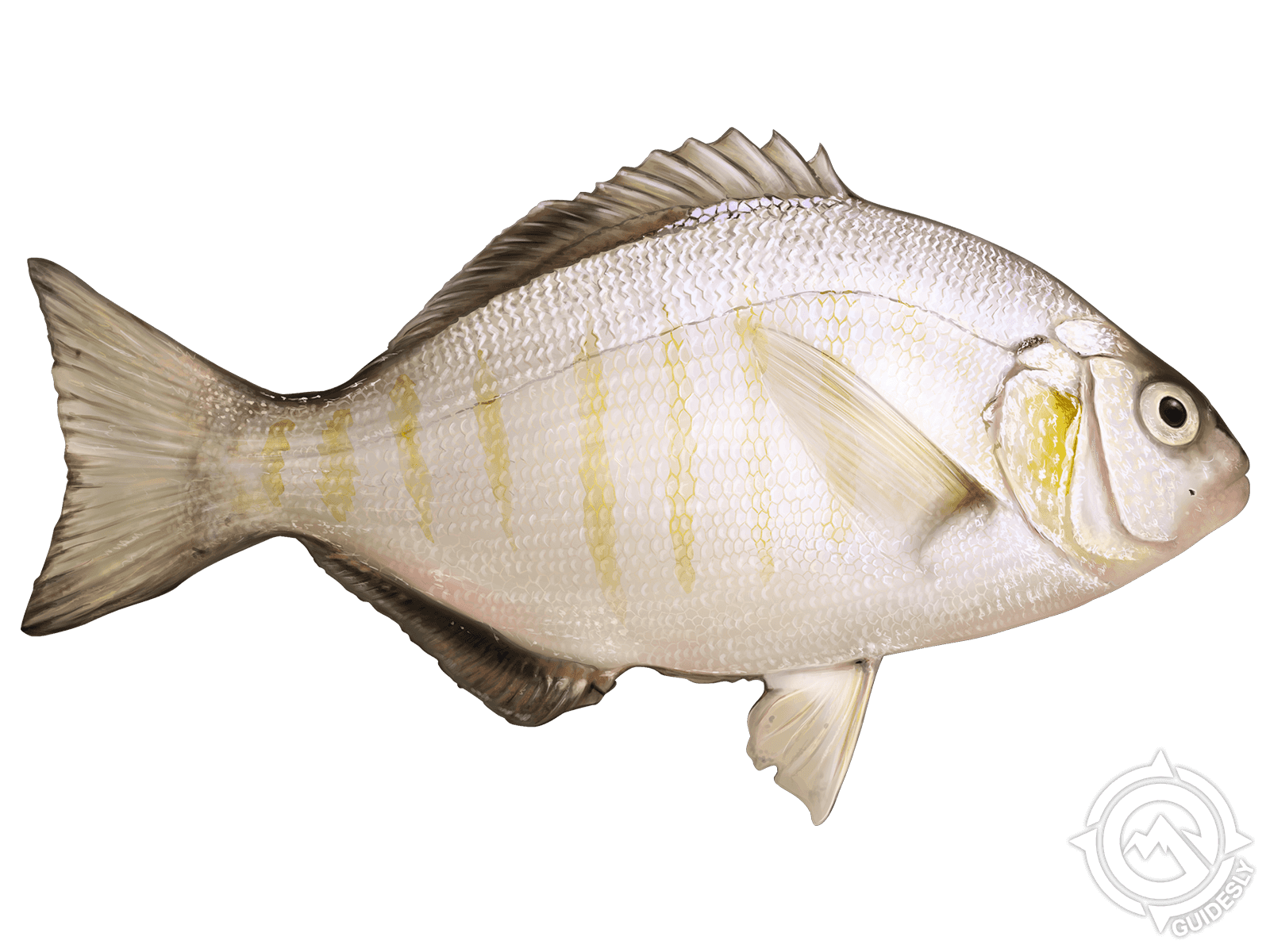
Barred Surfperch are the bread-and-butter species that keep this fishery reliable year-round. These chunky, hard-fighting fish cruise the surf zone in schools, feeding aggressively on sand crabs and marine worms. They average 10-14 inches but the big females can push 17 inches and really bend your rod. What makes them special is their willingness to bite consistently – when other species get finicky, surfperch keep the action going. They're also fantastic on the table, with sweet, flaky meat that rivals any restaurant fish. The best part about targeting surfperch is learning to read the subtle signs of feeding activity in seemingly empty water.
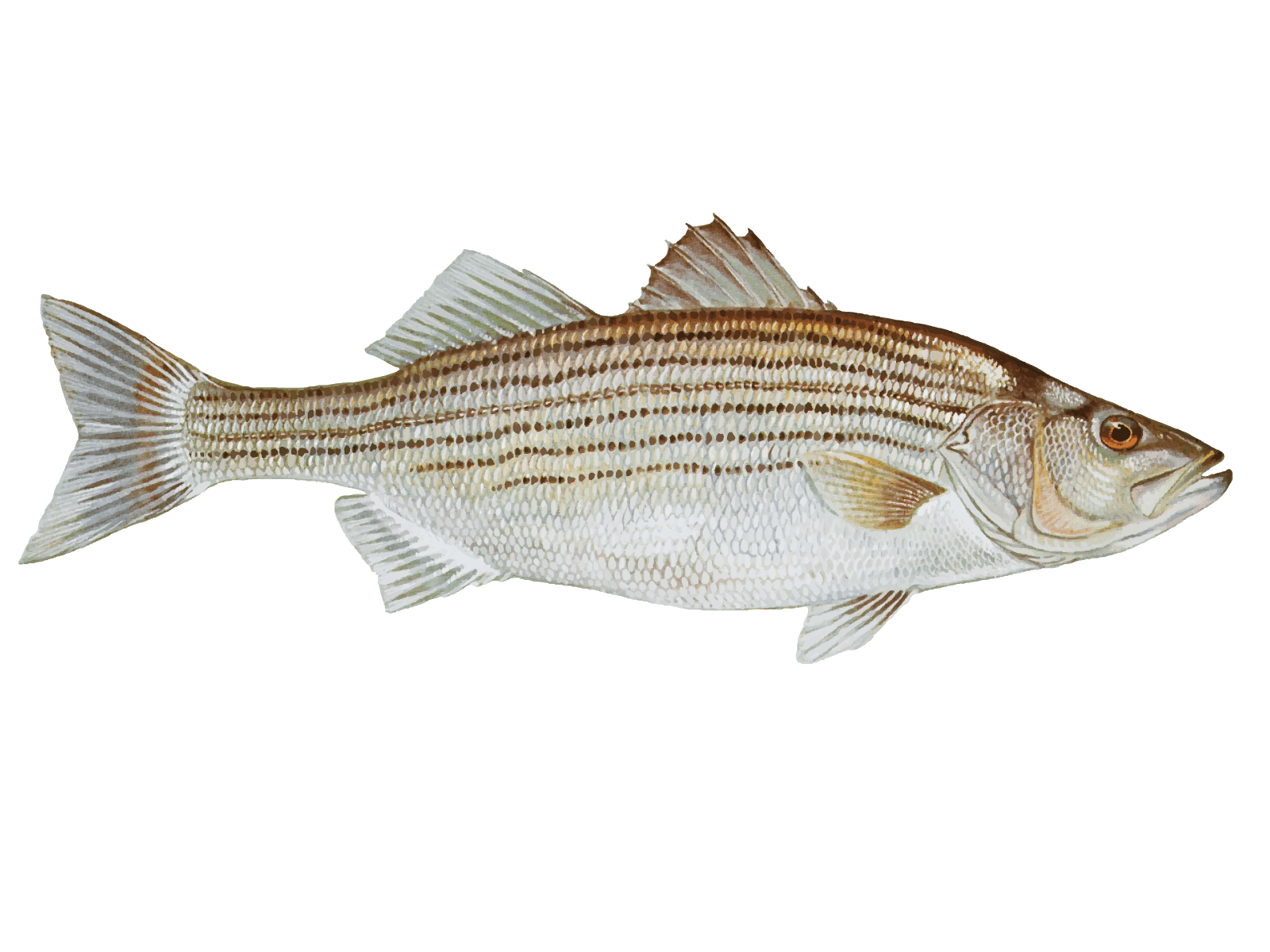
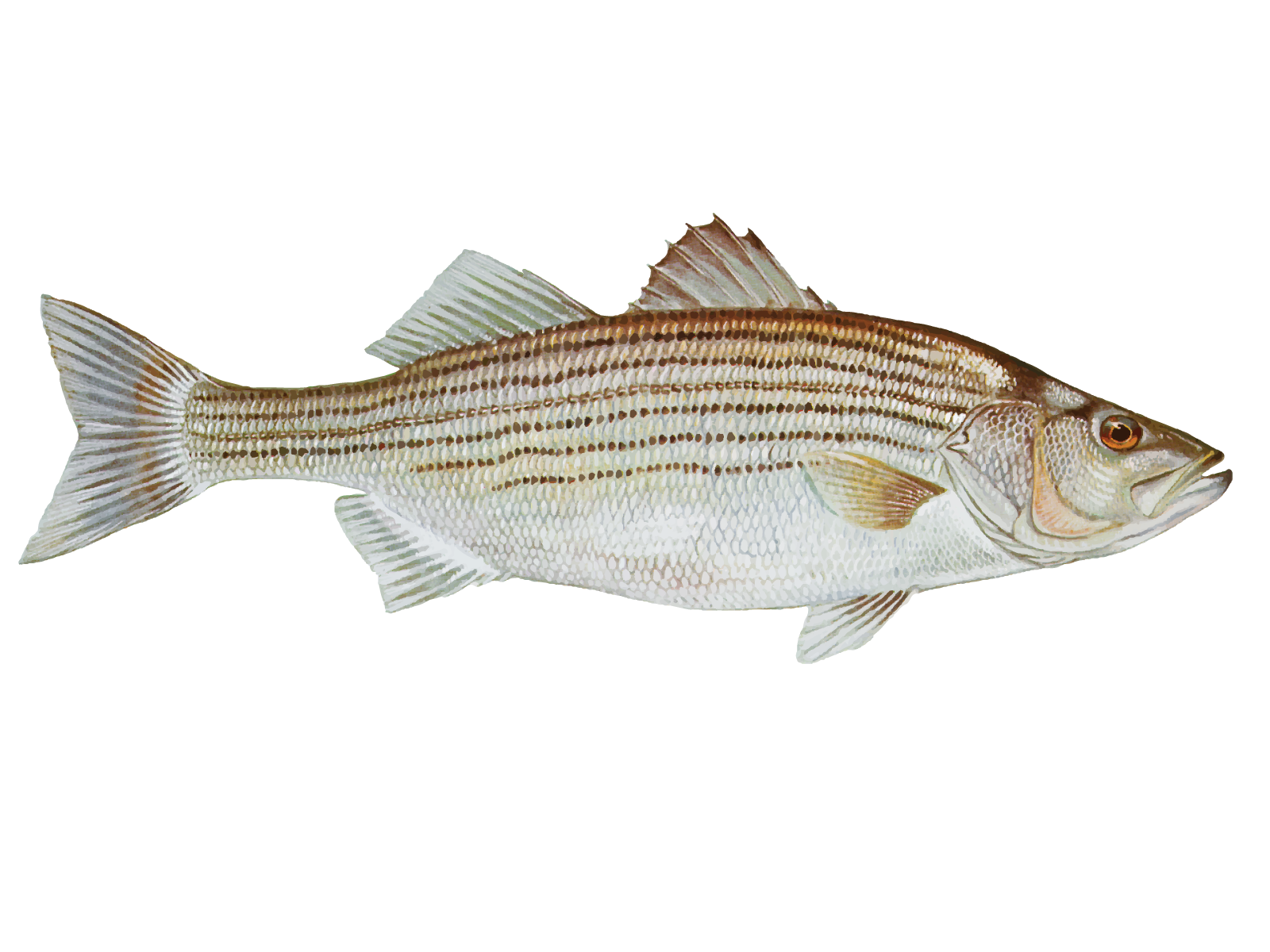
Striped Bass are the marquee species that put San Francisco on the map for serious surf fishing. These powerful predators can range from schoolie-sized 18-inchers up to genuine cows pushing 30+ pounds. Stripers are ambush feeders that use structure, current breaks, and baitfish concentrations to their advantage. They're incredibly smart fish that require precise presentations and perfect timing. When you hook into a good striper from shore, you'll understand why anglers become obsessed with this fishery. Fall and spring offer the most consistent action, but San Francisco's year-round baitfish populations keep resident fish around during most seasons. The fight is legendary – long runs, head shakes, and that stubborn refusal to give up that makes every fish feel bigger than it actually is.
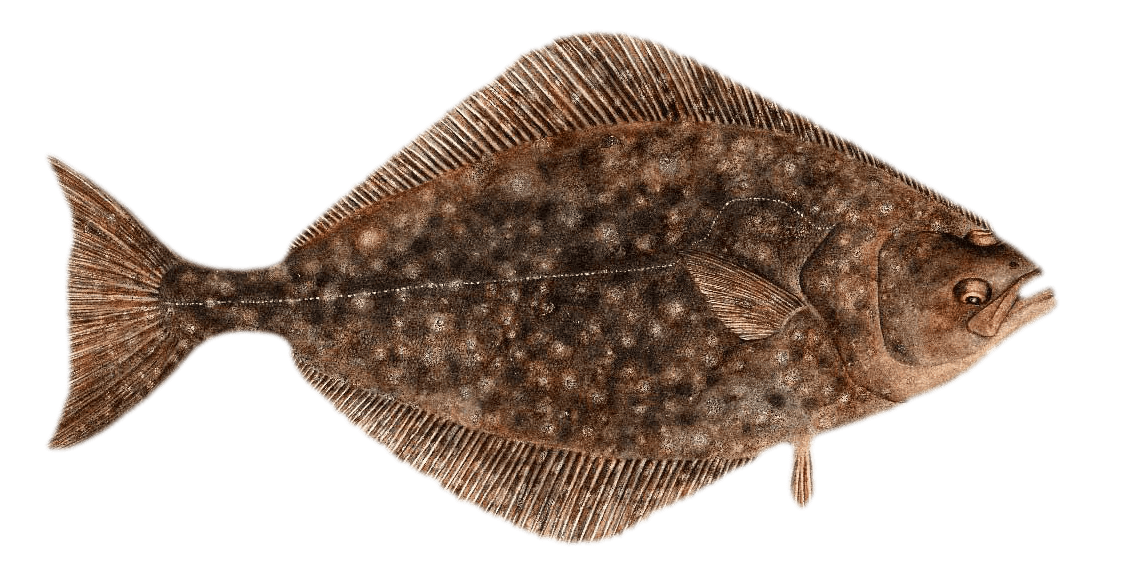
Pacific Halibut represent the wild card that can turn a good day into an epic one. These flatfish are ambush predators that lie buried in sand, waiting for baitfish to swim within striking distance. Most halibut caught from shore run 22-30 inches, but the potential for a genuine barn door always exists in these waters. They're seasonal visitors that show up when conditions align – typically during summer and early fall when baitfish concentrations draw them into shallower water. Halibut fishing requires patience and the right presentation, but when one crushes your fly, the fight is unlike anything else in the surf. They're also incredible eating, with firm white fillets that justify every minute spent targeting them.
Time to Book Your Spot
This customer favorite morning tide experience gives you everything needed to succeed in San Francisco's dynamic surf fishing scene. With personal instruction, specialized gear, and access to productive water that many anglers never discover, you'll leave with skills and knowledge that translate to fishing anywhere along the Pacific Coast. The single-angler format means every minute is focused on your success, whether you're a complete beginner or an experienced angler looking to crack the code on these challenging waters. San Francisco's shoreline fishing opportunities are trending upward as more people discover what's possible from the beach, but the learning curve can be steep without proper guidance. Book this renowned fishing adventure and discover why local anglers consider this some of the best trip value available for serious shore-based fishing instruction.
Learn more about the animals
Barred Surfperch
These silvery beauties with their distinctive bronze bars are the bread and butter of our San Francisco surf fishing. Most run 8-12 inches, though you'll occasionally hook into one pushing 15 inches. They cruise right in the surf zone, feeding heavily on sand crabs in that white water where waves break. Winter months, especially December through February, are prime time when they school up thick along our sandy beaches. What makes them special is how they fight - scrappy little bulldogs that bend your rod double. Plus, they're fantastic eating with sweet, firm meat. Here's the local trick: fish the deeper troughs between sandbars during incoming tide. The perch funnel through these channels chasing crabs stirred up by the waves. Use fresh sand crab on a high-low rig and you'll be hooking up consistently.
Pacific Halibut
Pacific halibut are the giants of our local waters, and landing one from shore is something special. These flatfish typically run 20-50 pounds, but anything over 100 pounds is possible. They hug the bottom in deeper channels and drop-offs, usually 50-200 feet out from our beaches where the continental shelf begins. Summer gives you the best shot when they move into shallower feeding areas. What makes them worth targeting is the sheer size and that unique flat-fish fight - they use their broad body like a sail underwater. The meat is absolutely top-tier, firm and clean-tasting. Here's what works: fish the outgoing tide when baitfish get swept toward deeper water. Use heavy jigs or whole squid on the bottom, and be patient. Halibut are ambush predators that sit motionless until prey comes within range, then strike hard.
Striped Bass
Stripers are the prize of our morning tides here in San Francisco Bay. These powerful fish average 20-30 pounds but can hit 40-plus, with those iconic dark stripes running down their silver sides. They love structure - rocky points, pier pilings, and drop-offs where baitfish get pushed around by currents. Spring through fall gives you the best action, especially during tide changes when they're actively feeding. What guests love most is the fight - these fish are pure power, making long runs and testing your drag. They're also primo table fare with firm, flaky white meat. Local secret: watch for diving birds and bait schools getting pushed against the rocks during outgoing tide. Cast your lure just outside the bait ball and strip it back fast. The stripers wait in deeper water and ambush from below.