/filters:format(jpeg,png)/fit-in/300x300/guide_websites/182861/images/1787627663117stripsetflyfishing.jpg)
/filters:format(jpeg,png)/fit-in/237x80/guide_websites/182861/images/1787627663117stripsetflyfishing.jpg)
/users/0cd9a88c-b52d-4c74-8a1b-07efaccf5e7a/ratecard/76b79fe8-3367-436c-8ce6-7417fc47a5551-msjr18cu.jpg)
%2F300x300%2Fusers%2F0cd9a88c-b52d-4c74-8a1b-07efaccf5e7a%2Fratecard%2F76b79fe8-3367-436c-8ce6-7417fc47a5551-msjr18cu.jpg&w=256&q=75)
%2F300x300%2Fusers%2F0cd9a88c-b52d-4c74-8a1b-07efaccf5e7a%2Fimages%2Fel-cerrito-striped-bass-catch-2367.jpg&w=256&q=75)
%2F300x300%2Fusers%2F0cd9a88c-b52d-4c74-8a1b-07efaccf5e7a%2Fimages%2Fel-cerrito-striped-bass-catch-2380.jpg&w=256&q=75)
%2F300x300%2Fusers%2F0cd9a88c-b52d-4c74-8a1b-07efaccf5e7a%2Fimages%2Fel-cerrito-striped-bass-catch-2464.jpg&w=256&q=75)
%2F300x300%2Fusers%2F0cd9a88c-b52d-4c74-8a1b-07efaccf5e7a%2Fimages%2Fel-cerrito-beach-fishing-sunset-2322.jpg&w=256&q=75)
%2F300x300%2Fusers%2F0cd9a88c-b52d-4c74-8a1b-07efaccf5e7a%2Fimages%2Ffresh-oyster-catch-el-cerrito-2391.jpg&w=256&q=75)
%2F300x300%2Fusers%2F0cd9a88c-b52d-4c74-8a1b-07efaccf5e7a%2Fimages%2Fel-cerrito-striped-bass-catch-2403.jpg&w=256&q=75)
%2F300x300%2Fusers%2F0cd9a88c-b52d-4c74-8a1b-07efaccf5e7a%2Fimages%2Fel-cerrito-fish-catch-lure-2442.jpg&w=256&q=75)
%2F300x300%2Fusers%2F0cd9a88c-b52d-4c74-8a1b-07efaccf5e7a%2Fimages%2Fel-cerrito-striped-bass-fly-2401.jpg&w=256&q=75)
%2F300x300%2Fusers%2F0cd9a88c-b52d-4c74-8a1b-07efaccf5e7a%2Fimages%2Fel-cerrito-striped-bass-catch-2347.jpg&w=256&q=75)
%2F300x300%2Fusers%2F0cd9a88c-b52d-4c74-8a1b-07efaccf5e7a%2Fimages%2Fel-cerrito-striped-bass-catch-2450.jpg&w=256&q=75)
Golden Hour Striper & Surfperch Casting
 San Francisco, CA
What you will be catching:
 Barred Surfperch
 Pacific Halibut
 Striped Bass
- Shore-based fly fishing targeting stripers and surfperch during golden hour
- Premium gear and specialized twilight fly patterns provided
- Beach snacks included with low-light casting instruction
Trip Pricing and Availabilities:
Golden Hour Striper & Surfperch Casting
There's something magical about fishing the Pacific Coast as the sun starts to drop and the light begins to shift. This isn't your typical half-day trip where you're rushing to get lines in the water before heading back to the dock. We're talking about a proper session that lets you settle into the rhythm of the surf and really feel how the water changes as evening approaches. Working entirely from the shoreline, you'll get hands-on experience reading the surf structure while the tides shift and predators start moving in closer to feed. This is personal, one-on-one guiding where we can focus completely on your casting technique, fly selection, and understanding what's happening beneath the surface as conditions evolve throughout the session.
What to Expect on the Water
We'll start this session in the late afternoon when the light is still good for spotting structure and reading the water clearly. From there, we work through the transition into twilight, which is when things get really interesting. The fish behavior changes dramatically as the light fades, and you'll learn to adapt your presentation accordingly. This isn't about covering miles of coastline – we're staying put and working specific zones where the surf creates natural feeding lanes for stripers and surfperch. You'll get a feel for how these fish use the structure differently throughout the evening, from the afternoon sun-warmed shallows to the deeper channels they patrol once darkness starts setting in. We'll take a break right on the beach for some snacks and use that time to break down what we're seeing and adjust our approach for the evening bite.
Fly Selection & Technique
All the gear is provided, including premium rods matched specifically to surf casting and a selection of proven fly patterns that work in these conditions. We're not just tossing any old streamer into the surf – each pattern is chosen for how it behaves in the wash and how visible it stays as light conditions change. You'll work with different retrieve speeds and depths, learning to feel the difference between your fly tumbling in the current versus getting hit by a fish. Low-light casting requires some adjustments to your timing and accuracy, and we'll spend time on line control techniques that keep you connected to your fly even when you can't see exactly where it landed. The surf structure here changes constantly with the tide, so reading the water becomes just as important as your casting mechanics.
Species You'll Want to Hook
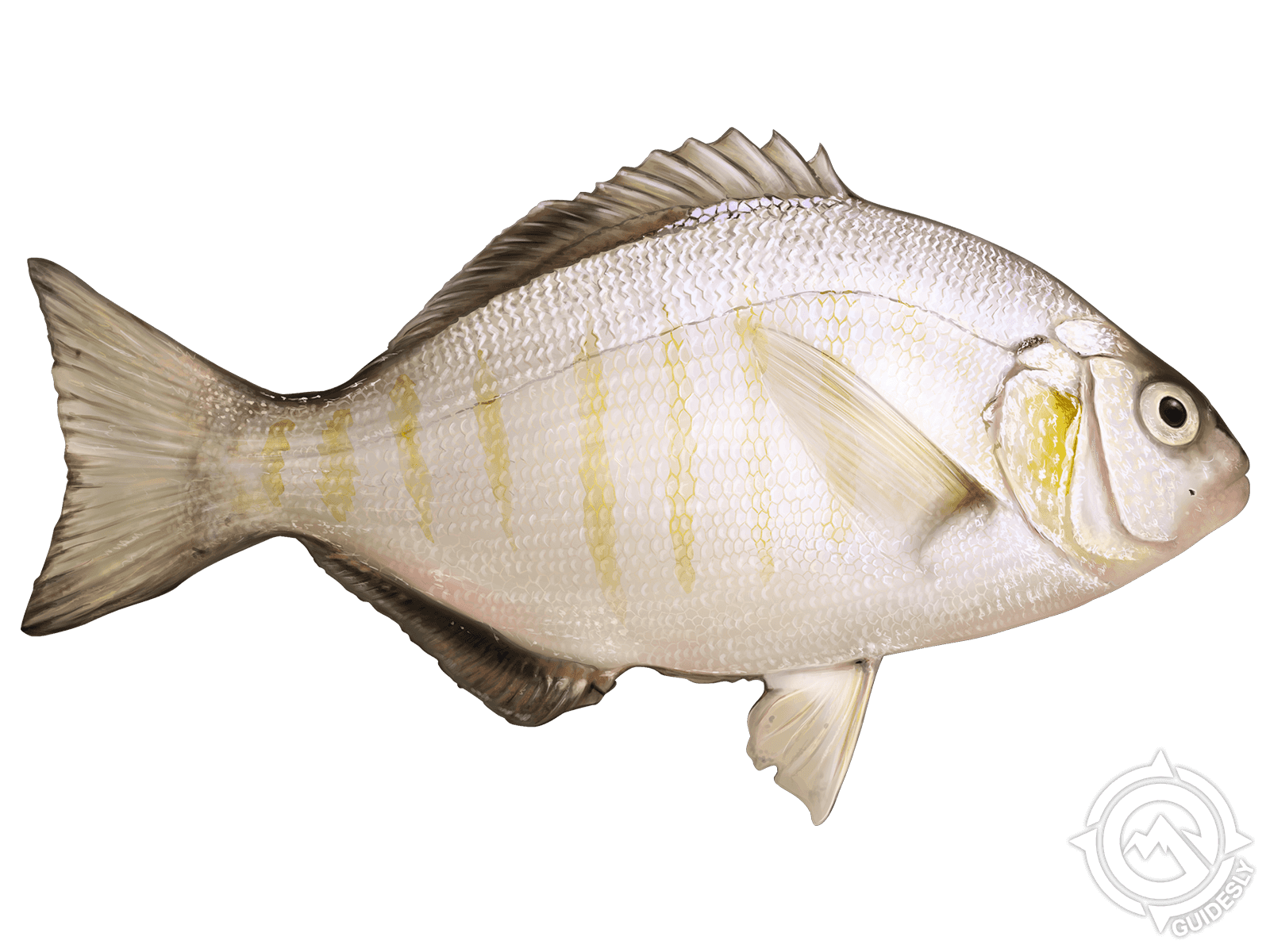
Barred Surfperch are the bread and butter of Pacific Coast surf fishing, and for good reason. These silver beauties hang in the surf zone year-round, feeding actively in the wash where waves break over sandy bottom. They typically run 10-14 inches, with larger specimens pushing close to two pounds. What makes them so fun on the fly is how aggressive they can be – when you find a school working through the surf, you can often pick up several fish in quick succession. They hit small crab patterns and sand flea imitations hard, especially during the evening hours when they move into shallower water to feed. The barred pattern along their sides makes them easy to identify, and they fight with surprising strength for their size.
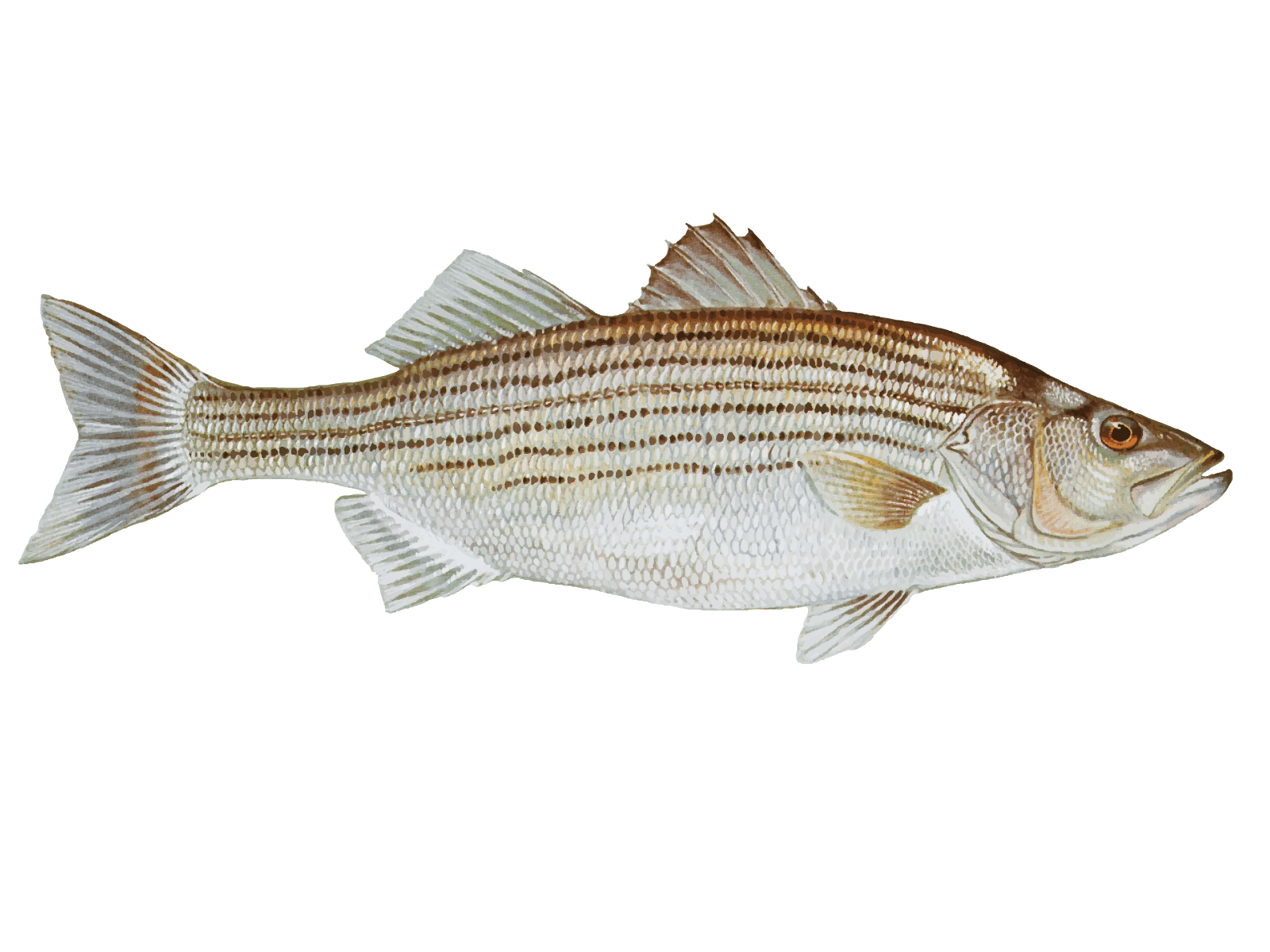
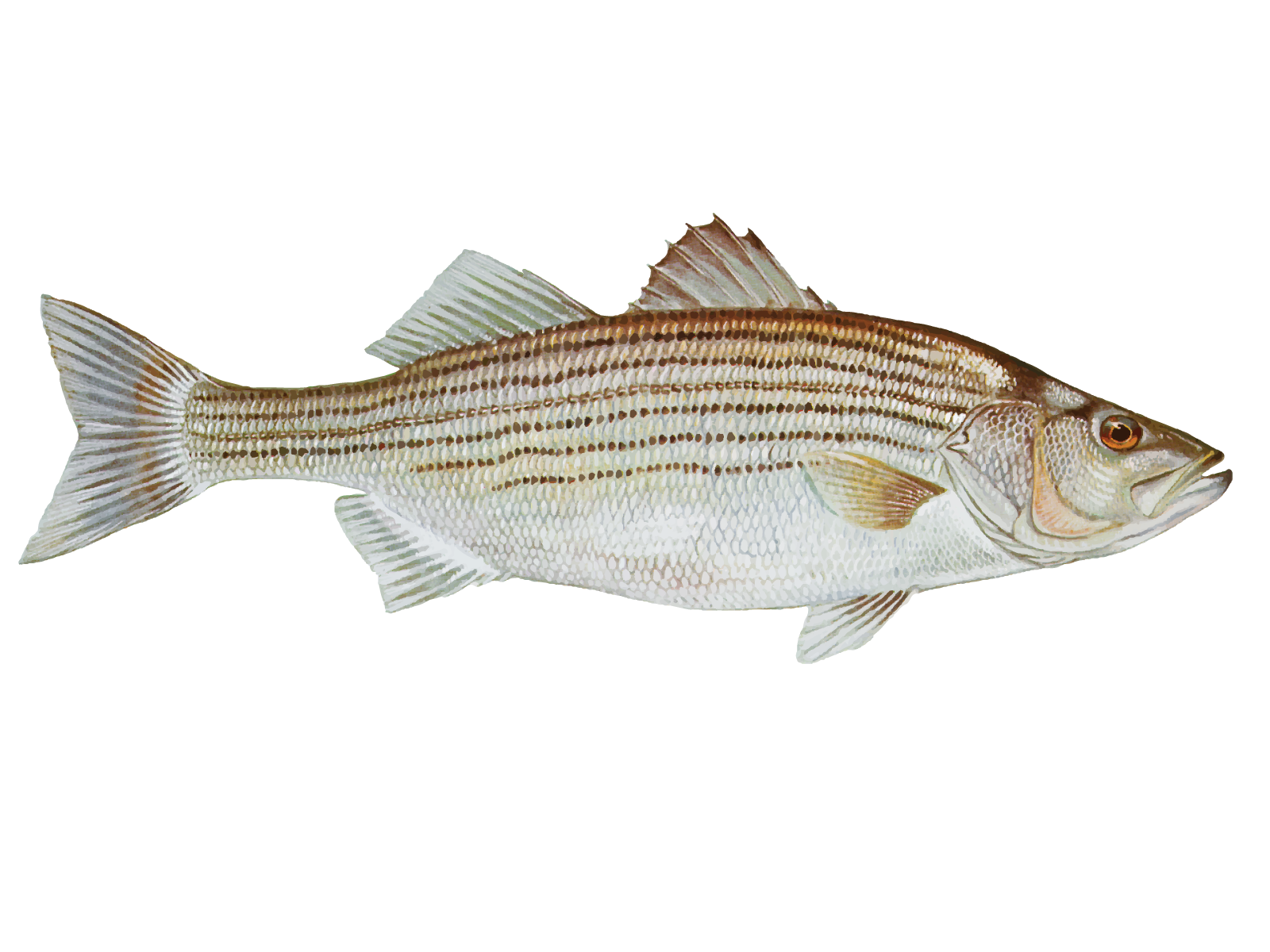
Striped Bass are the real prize in these waters, especially during their evening feeding periods. These fish can range anywhere from schoolie-sized 18-inchers up to true cows pushing 30+ inches and 15+ pounds. Fall and spring offer the most consistent action, but you can find stripers working the surf throughout much of the year. They're ambush predators that use the surf structure to trap baitfish, so timing and placement are everything. When a striper takes your fly in the surf, there's no mistaking it – they hit hard and immediately try to use the current and structure to their advantage. These fish have serious shoulders and will test your drag system and line management skills.
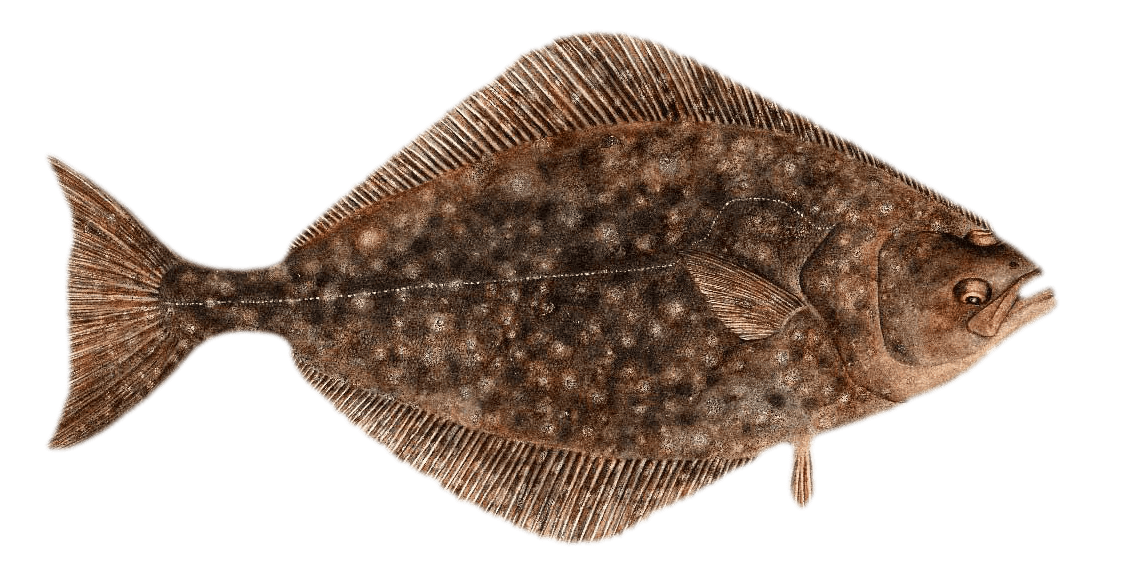
Pacific Halibut might seem like an unusual surf target, but smaller "chicken" halibut in the 22-30 inch range regularly cruise the surf zone, especially over sandy areas adjacent to rocky structure. These flatfish are opportunistic feeders that will absolutely crush a well-presented fly, particularly during low-light periods. Summer and early fall are prime time for surf halibut, when they move into shallower water following bait schools. The fight is completely different from the other species – less explosive initially, but they have incredible pulling power and stamina. Landing a quality halibut from the surf on fly gear is something most anglers remember for years.
Time to Book Your Spot
This golden hour session offers something you won't get on a standard fishing trip – the chance to really understand how coastal fishing changes throughout the day and learn techniques that will serve you well anywhere you fish the surf. With only one angler per trip, every minute is focused on improving your skills and building confidence with your cast. The combination of premium gear, proven local knowledge, and prime evening timing creates the perfect setup for both learning and catching fish. These Pacific Coast evenings don't last forever, and neither do the optimal tide and light combinations that make this session so productive. Ready to experience surf fishing the way it should be done?
Learn more about the species
Barred Surfperch
Barred surfperch are the bread and butter of Pacific Coast surf fishing. These silver-sided fish with their distinctive bronze bars typically run 8-12 inches, though you'll occasionally hook into a 15-incher pushing 3 pounds. They cruise the sandy shallows just outside the first breaker line, feeding heavily on sand crabs. What makes them fun is their scrappy fight and willingness to bite almost anything - from live sand crabs to small jigs. They're active year-round but really turn on during winter months. The meat is sweet and flaky, perfect for fish tacos. Here's the trick: when the surf is churned up and murky, that's prime time. The barreds feel safer feeding in the cloudy water, so don't pack up when conditions look rough.
Pacific Halibut
Pacific halibut aren't really a shore fishing target - these massive flatfish live in 150-500 feet of water along our continental shelf. They're true giants, averaging 20-40 pounds with 100-pounders fairly common and monsters reaching 300-plus. Summer brings them into shallower feeding areas where they ambush salmon, cod, and rockfish from the sandy bottom. What makes them special is the incredible fight and premium table fare - dense, white meat that's restaurant quality. They're right-eyed flatfish, so both eyes are on their dark topside. The challenge is getting down to them with heavy gear and waiting out their cautious bite. Pro tip: bounce your bait off bottom every few minutes to create movement - halibut are visual hunters and that action triggers strikes.
Striped Bass
Stripers are the ultimate West Coast predator, cruising our shorelines from 10-40 pounds with occasional monsters pushing 50. These silver torpedoes with dark horizontal stripes hunt structure - rocky points, jetties, and drop-offs where baitfish get trapped. They're most active during dawn and dusk when they move shallow to feed, especially in spring and fall migrations. What draws anglers back is their powerful runs and aerial fights. The meat is firm and flavorful, great on the grill. They're picky eaters, so matching local baitfish is key. My go-to technique: work your fly slow and steady near structure during tide changes. When you see birds diving or bait dimpling the surface, get your line in fast - that's feeding time.