/filters:format(jpeg,png)/fit-in/300x300/guide_websites/182861/images/1787627663117stripsetflyfishing.jpg)
/filters:format(jpeg,png)/fit-in/237x80/guide_websites/182861/images/1787627663117stripsetflyfishing.jpg)
Best Fly Fishing in San Francisco – What to Know Before Your Trip
%2Ffit-in%2F1000x1000%2Ffilters%3Aformat(webp)%2Fguide_websites%2F182861%2Fimages%2F1787624498324one-on-one-fly-casting-instruction-bay-area3.jpg&w=1920&q=75)
Published: September 15, 2026
When most outdoor enthusiasts envision the Pacific coast around Northern California, their thoughts immediately gravitate towards iconic architectural landmarks, rolling morning fog banks, and dramatic, wave-swept headlands. However, beneath the crashing waves of the Golden Gate and along the expansive sandy beaches lies one of the most unique, exhilarating, and dynamic saltwater fisheries in North America. Experiencing the best fly fishing San Francisco has to offer is not about boarding crowded offshore party boats or motoring dozens of miles out to sea; rather, it is about stepping directly onto the sand, wading into the churning wash, and presenting a fly to powerful coastal predators patrolling the shoreline.
Shore-based fly angling along the Pacific beaches and within the sheltered tidal flats of the bay represents a wonderfully pure and athletic form of the sport. It challenges casters to read the subtle contours of the sand, decipher complex tidal swings, and execute precise casts through coastal winds. Whether you are aiming to connect with a powerful, migratory striped bass in the crashing surf or tempt a camouflaged flatfish resting in a shallow trough, the coastal environment delivers unforgettable action.
However, mastering this dynamic saltwater arena requires careful preparation, specialised techniques, and a solid understanding of local conservation regulations. This comprehensive guide outlines everything you need to know before your trip, exploring target species, tidal mechanics, tackle requirements, licensing rules, and the unmatched benefits of partnering with seasoned local guides.
Unlocking the Mystery of the Pacific Surf and Bay Shorelines
Saltwater fly fishing along the coastline differs fundamentally from traditional river or lake angling. Here, the entire playing field shifts by the hour, sculpted by dynamic waves and sweeping currents.
Why Shore-Based Fly Angling Reigns Supreme
For decades, conventional boat fishing dominated the conversation around saltwater angling in Northern California. Yet, wading the beaches on foot offers distinct advantages that boat charters simply cannot replicate. Shore angling eliminates concerns regarding seasickness, engine fumes, and crowded deck spaces, placing you in direct, intimate contact with the marine environment.
Standing at the water's edge allows you to observe subtle signs of life—such as diving seabirds, nervous schools of anchovies, and subtle current seams—that indicate feeding predators. Learning the art of San Francisco fly fishing directly from the sand builds foundational casting mechanics and water-reading skills that will serve you on any coastline across the globe.
Understanding Coastal Topography: Troughs, Rips, and Sandbars
To the untrained eye, a sandy Pacific beach may appear uniform and barren. Beneath the surface, however, breaking waves carve out an intricate maze of underwater structure. The most critical structural feature for shore casters is the coastal trough—a deeper channel running parallel to the beach between the shallow sandbar and the shoreline.
Predatory fish utilise these troughs as underwater highways, cruising through the deeper water to ambush sand crabs, marine worms, and small baitfish dislodged by incoming breakers. Additionally, rip currents (areas where water rushes back out to sea through gaps in the sandbar) create natural funnels that sweep disoriented bait directly into the jaws of waiting predators. Recognising and casting into these structural transition zones is the foundational secret to consistent success.
Primary Quarry: Species Patrolling the Northern California Wash
The nutrient-rich waters surrounding the Bay Area support a remarkably diverse population of resident and migratory sportfish, offering exciting targets across every season.
The Iconic Striped Bass: Apex Predator of the Surf
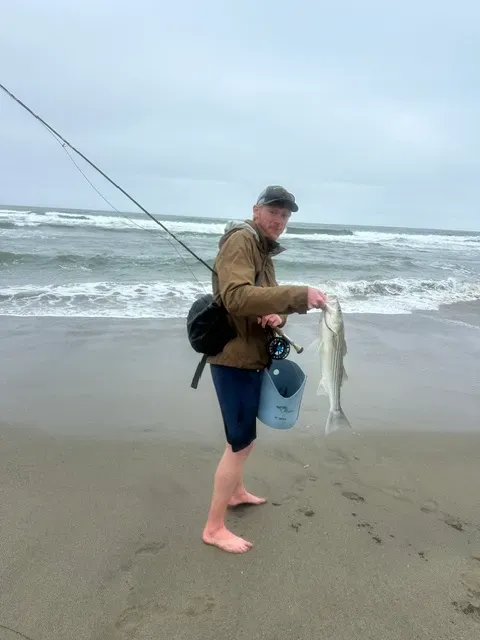
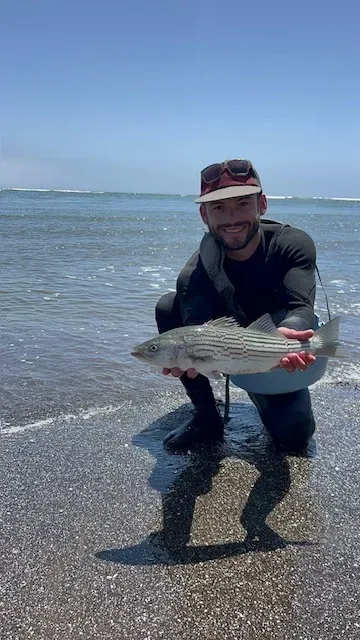
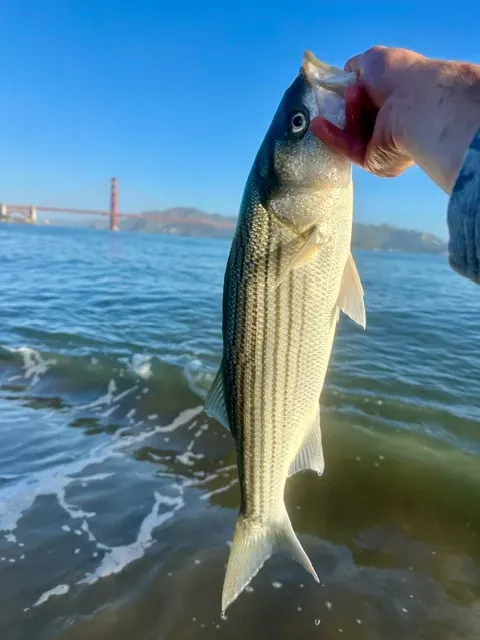
The striped bass (Morone saxatilis) stands as the undisputed crown jewel of fly fishing San Francisco beaches. These magnificent, silver-flanked predators migrate into the surf zone and bay shallows in massive numbers from late spring through autumn, following dense schools of anchovies, sardines, and surf smelt.
Stripers hunt aggressively in the shallow wash, often ambushing prey in water barely deep enough to cover their dorsal fins. When a striped bass takes a stripped streamer in the surf, the strike is savagely hard, immediately followed by powerful, tackle-testing runs against the undertow. While school-sized fish in the eighteen to twenty-four-inch range provide steady sport, legitimate trophy specimens exceeding twenty to thirty pounds are regularly landed right off the sand by dedicated casters.
California Halibut: Ambush Masters of the Sandy Bottom
Another prized target for coastal casters is the California halibut (Paralichthys californicus). These predatory flatfish are masters of camouflage, burying themselves in the soft sand along the edges of tidal drop-offs and waiting for unsuspecting baitfish to swim overhead.
Targeting halibut requires a deliberate, bottom-hugging presentation. Anglers utilise fast-sinking lines to keep baitfish-imitating flies swimming inches above the sandy floor. When hooked, halibut fight with a distinctive, heavy bulldogging motion, utilising their broad bodies against the current to test the angler's line management. For a comprehensive look at how these predators interact across our local waters, review our detailed guide to the El Cerrito Fishing Species.
Barred Surfperch: Dependable Year-Round Action
For consistent, fast-paced action, the barred surfperch (Amphistichus argenteus) is the bread and butter of the Pacific shoreline. These hardy, silver-bodied fish with distinct bronze vertical bars cruise the white-water breakers year-round, actively feeding on sand crabs and small crustaceans.
Reaching lengths of up to fifteen inches, surfperch are aggressive biters that punch well above their weight class. They provide the perfect training ground for newcomers learning to manage a fly line in moving waves, ensuring exciting sport even during seasonal transition periods.
Essential Preparation: Understanding Tides, Conditions, and Timing
In the marine environment, the clock is set by the moon and the tides rather than the sun. Understanding how water movement dictates fish behaviour is essential for planning a productive session.
Decoding SF Bay Tides for Fishing
Tidal movement is the single most critical factor in coastal angling. Moving water moves bait, and moving bait triggers active feeding. When monitoring the sf bay tides for fishing, anglers generally look for moderate tidal exchanges where the water flows steadily without generating overpowering currents that make casting difficult.
The incoming tide—particularly the two to three hours leading up to high slack water—is widely considered the most productive window for beach casting. As the tide rises, deeper water pushes over outer sandbars, allowing striped bass and halibut to move into the shallow troughs right at your feet. Conversely, the initial stages of an outgoing tide can concentrate fish around the mouths of rip currents and bay channels as bait is swept offshore.
Timing Your Sessions: Dawn Patrol, Golden Hour, and Night Stalking
Lighting conditions heavily influence how close predators will venture toward the beach. Low-light periods provide fish with the security they need to hunt in shallow water:
- Dawn Patrol: Arriving at the beach before first light allows you to intercept predators feeding in the shallows under the cover of darkness as the sun rises over the city.
- Golden Hour and Twilight: Late afternoon fading into dusk triggers aggressive surface feeding as baitfish become silhouetted against the declining light.
- Night Fly Fishing: For the adventurous caster, fishing after dark strips away visual distractions and relies entirely on rhythm, feel, and sound. Large, dark-profile flies that displace water are deployed to tempt massive stripers hunting under the glow of ambient city lights.
Gear, Rigging, and Tackle for Saltwater Fly Anglers
The harsh marine environment of the Pacific coast requires specialised tackle engineered to withstand saltwater corrosion, high winds, and heavy waves.
Rods, Sinking Lines, and Stripping Baskets
Standard freshwater trout tackle is entirely unsuited for the demands of the surf. A dedicated coastal setup typically includes:
- Fast-Action 8-Weight or 9-Weight Rods: A powerful, fast-action 9-foot rod provides the backbone required to generate tight loops, punch through stiff onshore breezes, and turn over large, air-resistant flies.
- Sealed Drag Saltwater Reels: Salt and fine beach sand are destructive to traditional reels. A fully sealed, corrosion-resistant disc-drag reel is essential to protect delicate internal mechanisms and provide smooth stopping power against surging fish.
- Custom Sinking Lines: Intermediate and fast-sinking shooting heads (such as 250 to 350-grain lines) are vital to get your fly beneath the turbulent surface foam and down into the feeding zone quickly.
- The Stripping Basket: A rigid, waist-mounted stripping basket is an indispensable tool. It holds your retrieved shooting line safely above the crashing waves and swirling sand, preventing disastrous line tangles and allowing for effortless, long-distance shooting on the forward cast.
Custom Fly Selection: Matching the Local Saltwater Forage
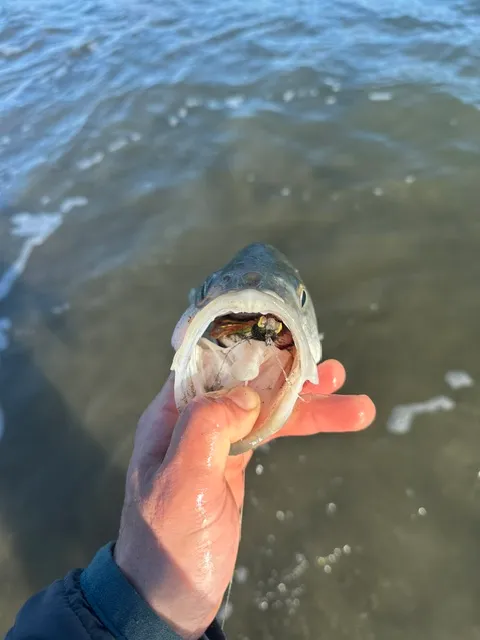
Fly patterns for the San Francisco surf must mimic the primary forage of the coastline. Durable Clouser Minnows, heavy sand crab patterns, and custom-tied baitfish streamers incorporating weighted dumbbell eyes, bucktail, and flash are standard.
Colours should match water clarity: chartreuse and white, olive and white, or all-black patterns for night sessions. Flies must be tied on stout, corrosion-resistant saltwater hooks capable of handling powerful jaw pressure without bending.
Navigating California Fishing Regulations and Licensing
Before setting foot on the sand with a fly rod, every angler must ensure they are fully compliant with state wildlife statutes.
Securing Your California Sport Fishing Documentation
All anglers aged sixteen and older are legally required to purchase a valid california fishing license before attempting to take fish from public waters, whether fishing in fresh water or the ocean. The California Department of Fish and Wildlife (CDFW) manages the fishery and provides a convenient digital portal where residents and out-of-state visitors can purchase their permits online.
Depending on the length of your holiday, you can select an annual licence or opt for short-term one-day or ten-day permits. For a complete breakdown of licensing categories, fees, and purchasing options, consult our comprehensive guide on how to get a California fishing license prior to your outing.
Ocean Enhancement Validations and Bag Limits
When fishing along the ocean beaches and open coastal waters of the Bay Area, your licence must include an Ocean Enhancement Validation. This validation supports marine research and coastal fishery management programmes.
Additionally, anglers must strictly adhere to current CDFW regulations regarding minimum size limits and daily possession limits for species like striped bass and California halibut. Practising careful catch-and-release, especially with wild coastal breeders, ensures the long-term health of this magnificent resource.
Combining Urban Exploration with Coastal Angling
One of the greatest appeals of visiting the Bay Area is the seamless blend of world-class outdoor recreation and vibrant urban culture. A morning spent casting in the Pacific surf can easily transition into an afternoon of world-class dining, historic sightseeing, and cultural exploration.
After concluding a rewarding dawn or morning session on the beach, visiting anglers can explore historic neighbourhoods, walk through iconic city parks, or sample fresh seafood along the waterfront. Reviewing our curated travel itinerary on Beyond the Surf: The Ultimate San Francisco Travel Guide provides fantastic recommendations for making the most of your time across the city.
Elevate Your Adventure with Strip Set Fly Fishing Adventures
Decoding the shifting sand structures, timing the complex tidal movements, and mastering the double-haul cast in coastal winds can present a steep learning curve for unguided anglers. Attempting to master the Pacific surf alone often leads to frustrating days untangling lines in the wash.
Partnering with the expert team at Strip Set Fly Fishing Adventures guarantees an educational, highly rewarding, and unforgettable day on the water. Led by equal co-owners Spencer Johnson and Mike Lawson, our service blends over a decade of high-end hospitality experience with profound, daily expertise on the Northern California coastline. We operate entirely on foot along the beaches and tidal zones, providing an authentic, land-based angling experience that eliminates the motion sickness and crowds of boat charters.
Every outing is an education-first clinic customised to your skill level. We supply all the beach-specific premium gear you need—including fast-action rods, sealed drag reels, breathable waders, boots, stripping baskets, and proprietary flies hand-tied specifically for local waters. Whether you are a total beginner seeking patient casting instruction or an experienced angler aiming to refine your presentation for trophy stripers, our dedicated coaching ensures you leave the sand with practical, lifelong skills and the confidence to read coastal waters independently.
Conclusion
Shore-based saltwater fly fishing along the San Francisco coastline is one of the most thrilling and rewarding outdoor adventures available in North America. From the heart-stopping surge of a striped bass striking in the shallow wash to the satisfaction of executing a tight casting loop against a fresh ocean breeze, every moment on the sand connects you deeply with the rhythm of the Pacific.
By understanding coastal structure, aligning your sessions with the tides, securing the proper state licensing, and learning alongside passionate local professionals, you set the stage for an extraordinary angling achievement. The tides are shifting, the bait is moving into the troughs, and the surf is waiting. Review our real-time calendar and Book Now to secure your private, expertly guided San Francisco shore fly fishing adventure today.
Frequently Asked Questions (FAQs)
1. Is fly fishing in the San Francisco surf suitable for complete beginners?
Yes, absolutely. Dedicated shore-based clinics are ideal for beginners because they provide solid footing on the sand without the distractions or motion of a boat. Professional guides break down casting mechanics, line management, and water reading step-by-step in a patient, supportive environment.
2. What gear is provided during a guided shore trip?
Your guide provides all necessary beach-specific equipment, including high-end 8-weight and 9-weight fly rods, sealed drag saltwater reels, sinking fly lines, stripping baskets, leaders, tippet, breathable waders, wading boots, and custom hand-tied flies matched to current conditions.
3. What should I pack for a beach fly fishing session?
You should bring a valid California sport fishing licence with an Ocean Enhancement validation (for anglers aged 16 and older), polarised sunglasses with amber or copper lenses, a brimmed hat, non-spray sunscreen, weather-appropriate layered clothing, and drinking water.
4. What is the peak season for targeting striped bass from the beach?
While resident striped bass can be caught throughout the year, the prime season runs from late spring through autumn (April to October). During this window, migratory fish push into shallow waters in large numbers to feed actively on baitfish.
5. How does a stripping basket help when fly fishing the surf?
A stripping basket is worn around your waist and holds your retrieved fly line off the wet sand and out of crashing waves. This prevents line tangles around your feet, eliminates drag from the receding wash, and allows your line to shoot smoothly for maximum casting distance.