/filters:format(jpeg,png)/fit-in/300x300/guide_websites/182861/images/1787627663117stripsetflyfishing.jpg)
/filters:format(jpeg,png)/fit-in/237x80/guide_websites/182861/images/1787627663117stripsetflyfishing.jpg)
First-Time Fly Fishing in San Francisco – What Actually Happens
%2Ffit-in%2F1000x1000%2Ffilters%3Aformat(webp)%2Fguide_websites%2F182861%2Fimages%2F1787624498324one-on-one-fly-casting-instruction-bay-area3.jpg&w=1920&q=75)
Published: September 15, 2026
When you picture the iconic sights of the Golden Gate Bridge, Alcatraz Island, and the bustling harbour of the Bay Area, angling might not be the very first thing that springs to mind. Yet, standing on the sandy shores with a rod in hand as the salty breeze rolls in from the Pacific is one of the most exhilarating ways to experience the coast. For those stepping onto the beach for their maiden casting session, the anticipation is often mixed with uncertainty. You might wonder what the day will actually entail, how the equipment feels, and whether you need prior experience to enjoy the process.
This comprehensive guide is designed to demystify the experience of learning to cast along the edge of the Pacific. We will walk you through the practical realities of land-based coastal angling, from navigating the coastal winds and reading the water to understanding the specific equipment required. Whether you are a local resident looking to explore your surroundings in a new way or a visitor seeking unique outdoor activities, knowing exactly what to expect will help you prepare for a memorable adventure. Let us dive into the true experience of standing on the sand and mastering the cast.
The Reality of Shore-Based Fly Fishing
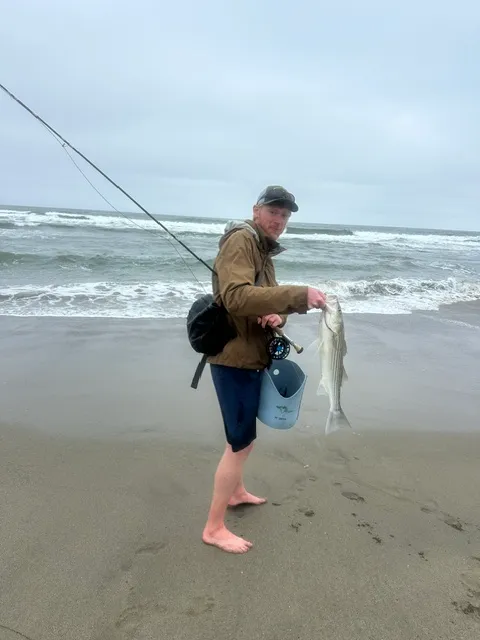
Unlike traditional boat-based excursions where you might spend hours travelling offshore, land-based angling offers a profoundly grounding experience. When you book a typical san francisco fishing charter, you might expect to be on a rolling vessel, battling the swells while motoring out to deep waters. However, a shore-based approach strips away the complications of a boat, allowing you to keep your feet firmly planted on the beach. This style of fishing connects you directly with the dynamic environment. You will feel the sand shifting beneath your boots and observe the nuanced movements of the coastal ecosystem up close.
For a beginner, this method provides an incredibly stable and comfortable platform for learning. Instead of trying to maintain your balance on a moving deck while learning a complex casting motion, you can focus entirely on your technique. The beach becomes an expansive, open classroom. Your guide will walk beside you along the shoreline, pointing out the subtle dips and troughs where predatory fish hunt.
Moreover, this approach allows for constant movement. You are actively tracking the feeding zones as the water levels change. The sheer accessibility of the shore means that within minutes of arriving at the beach, you can be geared up and casting into productive waters. It is an active pursuit that challenges both mind and body, requiring focus, rhythm, and a willingness to embrace the raw beauty of the coastal landscape.
Preparing for the Elements: Gear, Clothing, and Conditions
Stepping out onto the coastline requires thoughtful preparation. The weather in this region is famously unpredictable, often transitioning from a thick, damp fog to brilliant sunshine within hours. The key to remaining comfortable throughout your session is layering. Start with a moisture-wicking base layer to keep sweat away from your skin, add a warm fleece mid-layer for insulation, and finish with a high-quality windproof and waterproof shell. This combination allows you to adjust your clothing as the temperature fluctuates.
Regarding the technical equipment, the right outfitter will provide everything you need. You do not need to invest in expensive gear before your first outing. You will be equipped with premium, professional-grade rods and reels specifically designed to handle the corrosive saltwater environment and powerful fish. These rods are typically longer and stiffer than those used in freshwater, allowing you to punch your line through the coastal breezes.
Additionally, you will be fitted with breathable chest waders and sturdy wading boots. These are essential for keeping you dry as you step into the shallow surf. Some guides also provide stripping baskets to manage your line, preventing it from tangling in the churning waves. The flies used are uniquely crafted, often larger and more durable than delicate freshwater patterns, designed to mimic local baitfish.
Remember to bring a pair of polarised sunglasses. Not only do they protect your eyes from stray hooks and the intense glare of the sun, but they also cut through the surface glare, allowing you to see the underwater structures. A brimmed hat and broad-spectrum sunscreen are absolute necessities, even on overcast days, as the UV rays can still cause significant damage.
Understanding the Environment: Why Tides Matter
One of the most fascinating aspects of coastal angling is the constant, rhythmic fluctuation of the ocean. Unlike a still lake, the coastal environment is entirely governed by the gravitational pull of the moon and the sun, creating complex water movements that dictate fish behaviour. Understanding these movements is crucial, and it is a skill your guide will help you develop during your session.
When you are exploring the shoreline, you will quickly realise that the sf bay tides for fishing are the ultimate deciding factor in where and when you cast. Predatory fish use the moving water to their advantage, waiting in ambush along the edges of deep channels for the currents to sweep smaller baitfish into their striking zone. A rising tide often brings fresh, oxygenated water and hungry fish closer to the shore, while a falling tide concentrates marine life in deeper pools.
Your instructor will teach you how to read the surface of the water to identify these hidden underwater features. You will learn to spot the darker, deeper water of a trough and the swirling currents that carry food. This knowledge transforms a seemingly uniform expanse of ocean into a readable map of potential feeding grounds. Timing your session to coincide with the most productive phases of the tide is something a professional outfitter will handle for you, ensuring you are on the water when the fish are active.
Legal Requirements: Getting Sorted Before You Cast
Before you can begin your adventure, there is an important administrative step to take care of. California has strict regulations regarding the harvesting and targeting of aquatic life, and ensuring you are compliant is essential for a stress-free day on the water. Every angler over the age of sixteen must possess valid documentation to fish in the state's public waters.
For those planning to participate in any coastal angling activities, securing a fly fishing license California is a straightforward but mandatory process. You can easily purchase this document online through the official state department website or at various authorised sporting goods stores. If you are targeting species in the ocean, you will also need to ensure your documentation includes an Ocean Enhancement validation, which supports vital conservation programmes.
If you are unsure about the specific permits required, consult with your guide beforehand. To learn more about the step-by-step process of securing your paperwork, you can read this helpful guide on obtaining a California fishing licence. Getting this sorted means you arrive at the beach focused entirely on the excitement of learning to cast.
What to Expect During Your Session
Your first time out on the sand will be a blend of focused instruction, physical coordination, and immense appreciation for the surrounding scenery. The day typically begins with a comprehensive safety briefing and a rundown of the gear. Safety is always the highest priority when dealing with the ocean, so you will learn how to safely navigate the surf zone and maintain a stable stance against the incoming waves.
The Learning Curve
The initial portion of your session will be heavily focused on mechanics. Casting a heavy line in a saltwater environment requires a different technique than gently presenting a dry fly on a calm river. Your instructor will likely start you on the dry sand, breaking down the fundamental movements of the cast. You will learn about the timing of your backcast and how to load the rod with energy.
Do not be discouraged if it feels awkward at first. It takes time to develop the muscle memory required for a smooth cast. A professional instructor will offer patient, constructive feedback, helping you refine your timing. As you become more comfortable, you will step closer to the water's edge, translating your practise into real casts into the surf.
The Catch
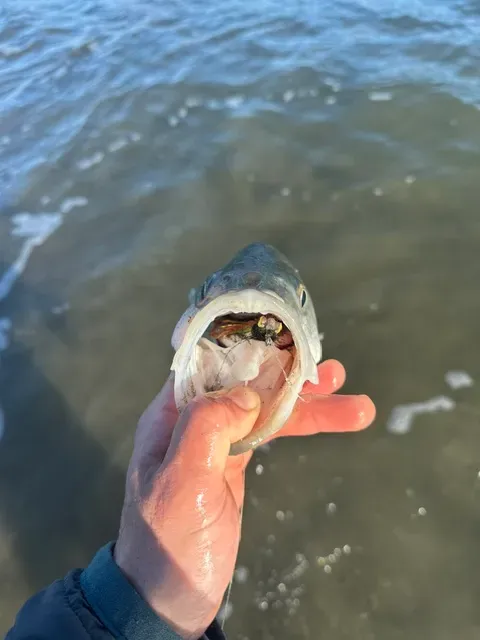
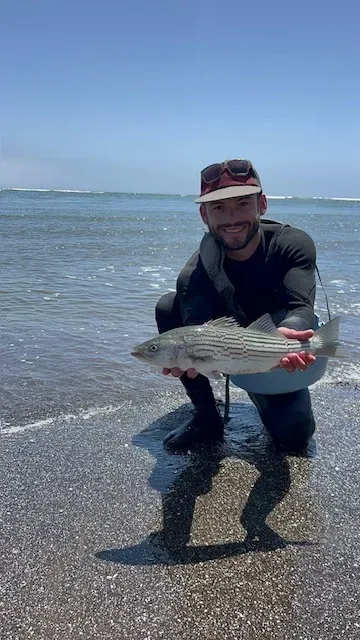
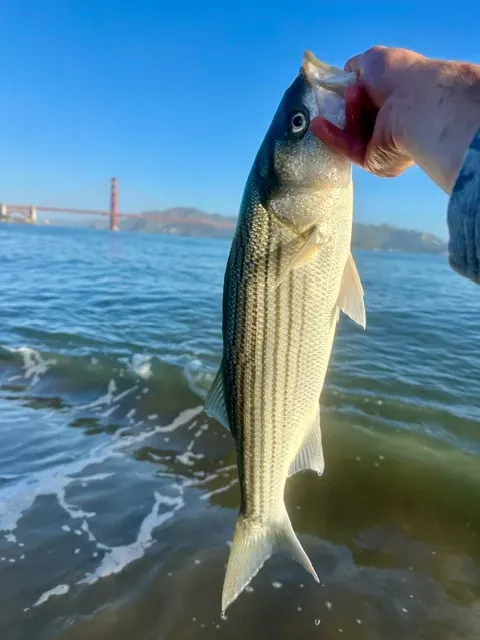
While the primary focus of a beginner session is often on education, there is always the thrilling possibility of connecting with a remarkable catch. Depending on the season, you might find yourself engaging in halibut fishing san francisco bay, a species known for its stealthy ambush tactics. Alternatively, you might encounter the aggressive strikes of a striped bass or the determined pull of a barred surfperch.
When a fish finally takes your fly, the sensation is unmistakable. Your guide will be right there beside you, coaching you through the fight. To discover more about the incredible variety of fish you might encounter, you can explore the details of our targeted species. The true reward is the profound sense of accomplishment and the deep connection forged with the coastal environment.
Promotional Section: Your Dedicated Coastal Guides
When you are ready to trade the crowded pavements for the serene beauty of the coastline, finding the right mentor is essential. You want an instructor who possesses not only exceptional technical skills but also the patience and hospitality required to make a novice feel completely at ease. This is where dedicated, land-based expertise truly shines.
By choosing an operation that specialises exclusively in shore-based tactics, you guarantee a highly personalised and educational experience. Instead of being just another passenger on a crowded vessel, you receive one-on-one coaching designed to build your confidence and your practical abilities. The focus remains entirely on your growth as an angler, ensuring that you leave the beach with new skills.
If you are searching for fishing trips san francisco ca that prioritise your education and comfort, you need an outfitter that understands the shore. To discover the absolute magic of the surf, visit our home page at Strip Set Fly Fishing Adventures and see how we can transform your perspective on coastal angling.
Conclusion
Stepping onto the sand for your first coastal casting session is an invitation to experience the natural world from a completely new vantage point. It is a demanding yet incredibly rewarding pursuit that teaches patience, rhythm, and a deep respect for the ocean's power. You will learn to read the shifting currents, master the mechanics of the cast, and perhaps even connect with one of the coast's magnificent predatory species.
The journey from a complete novice to a confident caster is filled with memorable moments, stunning scenery, and the pure joy of learning a traditional, artful skill. The shoreline is waiting to be explored, offering a dynamic and accessible adventure right on the edge of the city.
Are you ready to embrace the coastal breeze? Book Now to reserve your highly anticipated session on the sand.
Frequently Asked Questions (FAQs)
Do I need prior experience to book a session?
Not at all. The land-based approach is perfectly suited for complete beginners. Professional guides specialise in breaking down the mechanics of the cast into manageable, easy-to-understand steps, ensuring you build confidence safely right on the beach.
Do I need to buy my own equipment beforehand?
No, you do not need to purchase expensive gear. A reputable outfitter will provide all the necessary premium equipment, including high-performance rods, reels, custom-tied flies, breathable waders, and wading boots, ensuring you are fully equipped for the conditions.
Will I get seasick?
One of the greatest advantages of a shore-based session is that you remain firmly planted on the sand. Because there is no boat involved, there is absolutely zero risk of experiencing seasickness, making it an ideal option for those prone to motion sickness.
What happens if the weather is bad?
Coastal weather can be highly unpredictable. Your guide will constantly monitor the conditions. If the weather becomes unsafe due to severe storms or dangerous surf, your instructor will communicate with you to reschedule the session or provide an appropriate alternative. Safety is always the primary concern.
Can children participate in these sessions?
Yes, many operations welcome younger anglers, provided they are of an appropriate age and physical ability to handle the equipment safely. It is always recommended to discuss this with your outfitter prior to booking to ensure the session can be tailored to accommodate younger participants effectively.