/filters:format(jpeg,png)/fit-in/300x300/guide_websites/182861/images/1787627663117stripsetflyfishing.jpg)
/filters:format(jpeg,png)/fit-in/237x80/guide_websites/182861/images/1787627663117stripsetflyfishing.jpg)
San Francisco Bay Fly Fishing: How Tides, Bait, and Conditions Affect Your Trip
%2Ffit-in%2F1000x1000%2Ffilters%3Aformat(webp)%2Fguide_websites%2F182861%2Fimages%2F1787624498324one-on-one-fly-casting-instruction-bay-area3.jpg&w=1920&q=75)
Published: September 15, 2026
The vast marine expanse where the Pacific Ocean collides with Northern California’s inland river systems forms one of the most dynamic and biologically fertile estuaries on the planet. Framed by iconic urban architecture, dramatic headlands, and sweeping sandy beaches, the waters surrounding the Golden Gate provide a saltwater playground unlike any other. For the dedicated fly angler, stepping onto the shoreline with an 8-weight rod in hand represents an exhilarating challenge. Participating in San Francisco Bay fly fishing is not simply a matter of making blind casts into the ocean; it is an analytical pursuit where success hinges entirely on understanding how lunar tides, baitfish movements, and changing coastal weather interact with the marine environment.
Unlike traditional freshwater river systems, where pools and riffles remain relatively stationary, the saltwater surf and tidal flats transform continuously throughout the day. A sandy flat that is bone-dry at sunrise can become a deep, churning feeding lane three hours later, while a sudden afternoon wind shift can alter water clarity in minutes. To consistently connect with powerful coastal predators such as striped bass, California halibut, and barred surfperch from the sand, anglers must become keen students of the local ecosystem.
This comprehensive guide explores the essential environmental variables that shape coastal angling across Northern California. We will examine how tidal stages dictate predator movements, detail the primary forage species that drive feeding frenzies, break down the impact of coastal microclimates, cover essential licensing regulations, and demonstrate how seasoned shore-based guiding can transform your time on the water.
The Dynamic Mechanics of San Francisco Bay Fly Fishing
The San Francisco Bay estuary is a complex, tidally driven ecosystem governed by massive water exchanges. Understanding its physical layout is the first step in unlocking its angling potential.
The Estuary System and Marine Bathymetry
The Bay Area acts as a giant aquatic funnel, receiving freshwater drainage from the Sacramento and San Joaquin river deltas while simultaneously absorbing powerful Pacific ocean currents twice daily. This constant mixing creates rich salinity gradients and introduces immense volumes of oxygen and nutrients into the shallows.
Beneath the surface, the bathymetry varies dramatically. Deep shipping channels and rocky bridge abutments give way to shallow, expansive sandbars and coastal troughs along the shoreline. For those pursuing fly fishing San Francisco Bay Area waters, these shallow transition zones are where the primary action occurs. Predatory gamefish move onto shallow flats and into beach troughs specifically to trap baitfish against the shore, providing exceptional opportunities for wading casters.
Why Land-Based Fly Presentation Excels
While boat charters are common throughout the region, approaching this fishery on foot offers distinct tactical advantages. When wading the surf or casting along quiet tidal beaches, you maintain complete stealth. There is no engine vibration, hull slap, or shadow to spook wary fish holding in water barely two feet deep.
Furthermore, shore angling provides a stable, grounded platform that eliminates the motion sickness often associated with open-water boating. It allows you to cover water methodically, observe subtle signs of life, and cast directly into the shallowest feeding lanes where boat hulls cannot safely navigate.
Decoding SF Bay Tides for Fishing Success
In saltwater fly angling, the moon is the ultimate clock. Tides govern the movement of water, water movement dictates forage distribution, and forage distribution controls when and where predators feed.
The Science of SF Bay Tides for Fishing
Tides in Northern California are classified as mixed semidiurnal, meaning the region experiences two high tides and two low tides of unequal height every lunar day. Understanding how to interpret SF Bay tides for fishing is the single most critical skill for planning a productive outing.
Tidal flow creates current, and current creates ambush opportunities. As millions of cubic metres of water surge through the narrow strait beneath the Golden Gate Bridge, water velocity increases across points, channels, and coastal sandbars. Gamefish rarely expend energy fighting heavy mid-channel currents; instead, they position themselves behind current breaks, along drop-offs, and inside coastal troughs where they can ambush prey swept along by the moving tide.
Flood Tides vs Ebb Tides: Where Predators Position
Different tidal stages trigger distinct fish behaviours:
- The Incoming (Flood) Tide: Generally considered the most productive window for beach and flat wading. As clean, cool ocean water floods into the bay, it covers shallow flats and fills beach troughs. This rising water gives striped bass and halibut the security they need to hunt aggressively in close proximity to the dry sand. The two to three hours leading up to high slack water often produce the most concentrated bites.
- The Outgoing (Ebb) Tide: As water recedes, baitfish are pulled off shallow mudflats and pushed through narrow channels, rip currents, and river mouths. Predators gather at the edges of these exit funnels to feast on retreating forage. Ebb tides are fantastic for targeting the mouths of coastal lagoons and the outer edges of rip currents.
- Slack Water Periods: The brief windows of slack water between tides—when current movement stops completely—frequently cause a temporary lull in feeding activity. Savvy anglers use this time to relocate to a new beach or prepare their tackle for the next push of moving water.
Tracking Coastal Baitfish and Local Forage
A predatory fish’s life revolves around calories. Knowing what forage species are present, when they migrate, and how they behave allows you to present a fly that perfectly matches the natural food source.
Northern Anchovies, Surf Smelt, and Pacific Herring
Baitfish migrations are the primary catalyst for explosive feeding activity across the bay:
- Northern Anchovy (Engraulis mordax): The undisputed primary forage during late spring, summer, and early autumn. Immense schools of anchovies move into the shallow bays and along Pacific beaches, drawing massive numbers of migratory striped bass into casting range.
- Surf Smelt (Hypomesus pretiosus): These slender, schooling fish spawn in the breaking surf during the warmer months, providing high-energy targets for striped bass and halibut hunting directly in the white-water wash.
- Pacific Herring (Clupea pallasii): Winter brings legendary herring spawning runs into the inner bay. Millions of herring congregate along rocky shorelines, piers, and shallow mudflats to lay eggs, creating winter feeding frenzies for resident gamefish, seabirds, and marine mammals.
Sand Crabs and Inshore Crustaceans
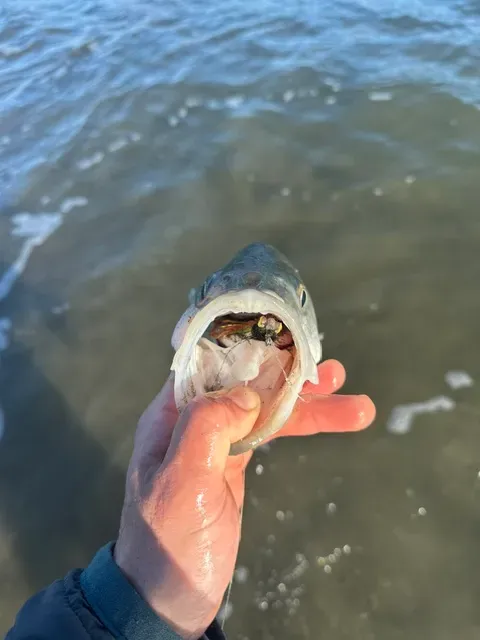
Along the sandy Pacific beaches, the Pacific mole crab (commonly called the sand crab) is a vital year-round food source. Crashing waves continually dislodge these crustaceans from the sand, creating an easy meal for schooling barred surfperch and cruising stripers. Presenting small, heavily weighted crab patterns that tumble naturally through the lower water column is an exceptionally reliable technique when surface bait is absent.
Matching the Hatch with Custom Saltwater Flies
Saltwater fly selection must balance visibility, water displacement, and realistic profile. Popular patterns include weighted Clouser Minnows, hollow-tied baitfish deceivers, and custom epoxied sand crab imitations.
In stained or turbulent water, high-contrast colours such as chartreuse and white, or solid black for low-light sessions, create strong silhouettes. In clear water, subtle olive-over-white or natural tan patterns provide an authentic imitation of live forage.
Environmental Conditions: Fog, Wind, and Water Clarity
The microclimates of the Bay Area can vary significantly within a few miles. Adapting your approach to daily atmospheric conditions is essential for consistent success.
Managing Coastal Winds and Sinking Lines
Wind is an inevitable component of the Northern California coast. Strong onshore breezes often develop by midday, which can challenge casters using standard floating lines.
To overcome the wind, shoreline fly casters deploy fast-action 8-weight and 9-weight rods paired with integrated sinking shooting heads. Heavy sinking lines cut through coastal crosswinds with minimal air resistance and get your fly beneath the turbulent surface chop into the strike zone. Mastering the double-haul cast allows you to generate high line speed, ensuring you can deliver your fly accurately regardless of the breeze.
How Light and Fog Influence Feeding Windows
San Francisco’s famous marine fog layer provides a distinct advantage for shore casters. Bright, direct sunlight often drives wary predators into deeper water or makes them cautious in the shallows.
Dense fog and overcast skies create diffused light conditions, extending active morning feeding periods throughout the middle of the day. During low-light periods—such as dawn patrol or twilight sessions—predators patrol the shallowest water with confidence, making them highly receptive to surface and shallow-running streamer presentations.
Target Species and Seasonal Cycles
The diverse waters of the bay support a remarkable collection of resident and migratory gamefish, offering year-round excitement.
Pacific Striped Bass
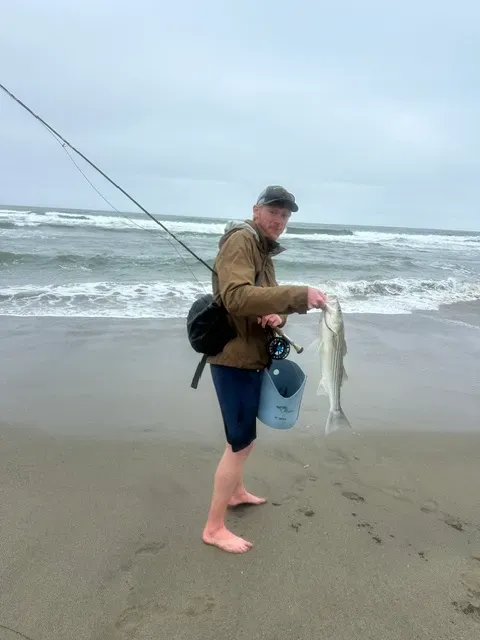
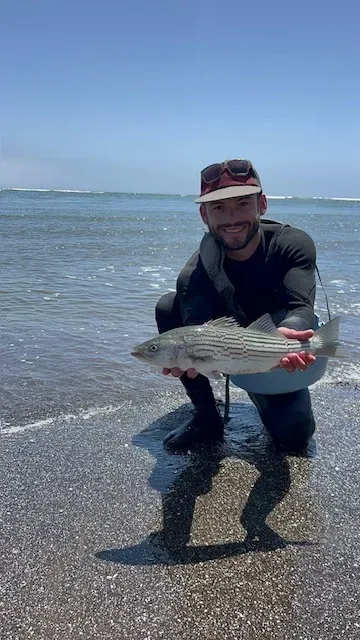
The striped bass is the undisputed marquee quarry for shore-based casters. These muscular predators roam the coastline from April through November, actively chasing bait schools through the surf and across inner-bay flats. A strike from a striped bass in shallow water is violent, followed by powerful, tackle-testing runs.
Halibut Fishing Bay Area Opportunities
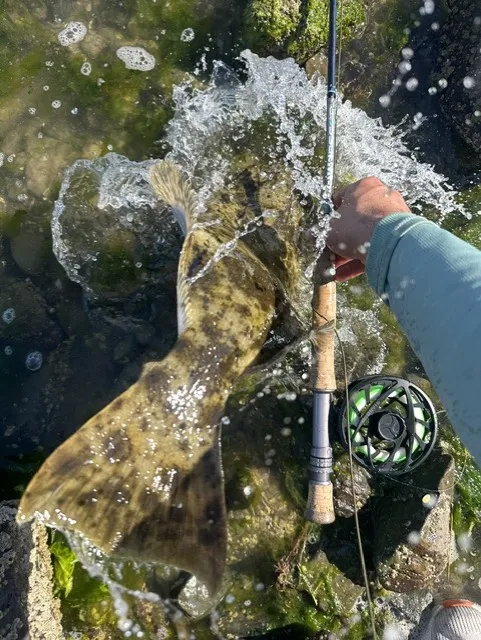
The sandy, flat bottoms of the bay provide ideal habitat for California halibut. These masters of camouflage bury themselves in the sediment near the edges of drop-offs, ambushing passing baitfish from below. Engaging in halibut fishing bay area style on a fly rod requires a slow, methodical retrieve using sinking lines that keep the fly swimming inches above the bottom. Spring through early autumn offers the most productive window for these prized flatfish. To explore the biology and seasonal availability of these predators in greater detail, review our comprehensive El Cerrito Fishing Species guide.
Barred Surfperch
Barred surfperch provide consistent, dependable action throughout all twelve months. These hardy, silver-and-bronze fish patrol the white-water breakers, feeding on sand crabs and marine worms. They offer an ideal training ground for developing line-control skills and provide steady action even during the winter months.
Regulatory Compliance and California Fishing License Rules
Operating responsibly along public waterways requires strict adherence to state wildlife statutes designed to preserve marine ecosystems for future generations.
Securing Your Sportfishing Credentials
Every angler aged sixteen and older must purchase and carry a valid california fishing license before attempting to catch fish in public waters. The California Department of Fish and Wildlife (CDFW) manages state fisheries and provides an efficient digital portal where residents and out-of-state visitors can obtain their permits online.
Depending on your travel schedule, you can choose an annual licence or select convenient short-term options, such as a one-day or ten-day permit. When budgeting for your holiday, researching standard fishing charter rates will help you plan your overall trip expenses accurately. For a complete breakdown of licensing categories, fees, and digital purchasing instructions, consult our helpful guide on how to get a California fishing license prior to your outing.
Ocean Enhancement Validations and Bag Limits
Because shore-based fly fishing takes place in ocean and estuarine waters, your licence must include an Ocean Enhancement Validation. This validation supports coastal marine research and fishery management.
Furthermore, anglers must respect state size limits, seasonal restrictions, and daily bag limits for species like striped bass and California halibut. Ethical guides actively promote catch-and-release practices for large breeding fish to protect the future of the fishery.
Integrating Angling with City Exploration
One of the greatest benefits of planning an angling trip to the Bay Area is the effortless ability to pair world-class coastal sport with celebrated urban culture.
After concluding an exhilarating morning session along the surf, you are only minutes away from iconic landmarks, historic neighbourhoods, and acclaimed dining destinations. Visiting anglers can tour the Palace of Fine Arts, walk through coastal parks, or sample fresh seafood along the Embarcadero. To help you build a seamless holiday itinerary, explore our curated recommendations in Beyond the Surf: The Ultimate San Francisco Travel Guide.
Elevate Your Adventure with Strip Set Fly Fishing Adventures
Mastering the interaction between tides, wind, coastal bathymetry, and seasonal bait migrations requires intimate, day-to-day experience on the water. Attempting to figure out these complex variables on your own often leads to frustrating days on empty beaches.
Partnering with the dedicated team at Strip Set Fly Fishing Adventures guarantees an educational, highly productive, and memorable experience. Led by equal co-owners Spencer Johnson and Mike Lawson, our service combines over a decade of high-end hospitality experience with profound local coastal knowledge. We operate entirely on foot along the productive shorelines of the San Francisco Bay Area, delivering a true 100% land-based experience that eliminates the motion sickness and crowded decks of boat charters.
Every outing is an education-first clinic customised to your skill level. We supply all the necessary beach-specific gear—including fast-action 8-weight and 9-weight rods, sealed-drag reels, sinking lines, breathable waders, wading boots, stripping baskets, and proprietary hand-tied flies matched to current forage. Whether you are taking your first cast in the salt or refining your presentation for trophy striped bass, our hands-on coaching equips you with the skills and confidence to fish coastal waters independently.
Conclusion
San Francisco Bay fly fishing is a deeply rewarding pursuit that connects you directly with the raw energy of the Pacific coast. By understanding how the gravitational pull of the moon shapes coastal feeding windows, recognising seasonal bait migrations, and adapting your tackle to the wind and fog, you transform a complex saltwater environment into a readable, highly productive fishery.
Whether you are watching a school of striped bass blitz through a shallow trough or feeling the deliberate pull of a California halibut along a sandy drop-off, the Northern California coast delivers world-class sporting moments. The tides are turning, the anchovies are moving into the shallows, and the beach is waiting. Review our real-time calendar and Book Now to reserve your private, expertly guided shore fly fishing adventure today.
Frequently Asked Questions (FAQs)
1. What is the best tidal stage for shore-based fly fishing in the bay?
The incoming flood tide—particularly the two to three hours leading up to high slack water—is generally the most productive window. Rising water covers shallow flats and fills coastal troughs, allowing predatory fish to move into shallow water to hunt.
2. What weight fly rod is ideal for San Francisco Bay fly fishing?
A fast-action 8-weight or 9-weight rod measuring nine feet in length is the standard setup. These rods provide the backbone required to punch heavy sinking lines through coastal breezes and battle powerful saltwater gamefish.
3. Do I need a boat to catch striped bass and halibut in the Bay Area?
No. Both striped bass and California halibut regularly hunt in shallow water along beaches, mudflats, and tidal troughs within easy casting distance from the shore, making land-based wading trips exceptionally productive.
4. What gear is provided on a guided trip with Strip Set Fly Fishing Adventures?
Your guide supplies all necessary technical equipment, including premium rods, sealed-drag reels, sinking lines, stripping baskets, breathable chest waders, boots, leaders, tippet, and custom hand-tied flies matched to local forage.
5. How do coastal fog and low light affect fishing success?
Fog and low light provide natural cover for predatory fish, making them less cautious in shallow water. Overcast and foggy conditions often extend productive surface and shallow-water feeding windows throughout the day.