/filters:format(jpeg,png)/fit-in/300x300/guide_websites/182861/images/1787627663117stripsetflyfishing.jpg)
/filters:format(jpeg,png)/fit-in/237x80/guide_websites/182861/images/1787627663117stripsetflyfishing.jpg)
What to Expect on a San Francisco Shoreline Fly-Fishing Trip – From Meeting Up to the Final Cast
%2Ffit-in%2F1000x1000%2Ffilters%3Aformat(webp)%2Fguide_websites%2F182861%2Fimages%2F1787624498324one-on-one-fly-casting-instruction-bay-area3.jpg&w=1920&q=75)
Published: September 15, 2026
The Northern California coastline is a dramatic convergence of land and sea. For anglers, these waters present an extraordinary theatre for pursuing predatory fish. Rather than heading miles offshore in a diesel-powered vessel, an increasing number of outdoor enthusiasts are discovering the unique thrill of land-based angling. Standing on the shoreline, feeling the rhythm of the waves, and casting a fly into the surf offers an unmatched level of physical engagement with the ocean. However, if you have never participated in a fully guided shore-based excursion, you might wonder exactly how the day unfolds.
A professional coastal fly-fishing trip is a carefully orchestrated experience. It combines high-end equipment, technical instruction, and deep environmental knowledge to put you in the best possible position to succeed. From the moment you arrive at the beach to the final retrieval of your line, every step is designed to build your confidence and expand your angling skillset. This comprehensive guide walks you through a typical day on the sand, outlining precisely what you can anticipate when you book a dedicated land-based adventure along the Pacific coast.
Preparing for Your Coastal Excursion
The success of any outdoor pursuit begins long before you actually reach the water. Proper preparation ensures that you can focus entirely on the experience rather than worrying about logistics or comfort.
Sorting Your Equipment and Permits
Before you embark on your journey, a small amount of administrative preparation is required. Ensuring compliance with local wildlife regulations is paramount. Every participant aged sixteen and older must possess a valid california fishing license along with an Ocean Enhancement Validation. Organising this documentation in advance ensures that your time on the water is fully compliant with state laws and actively supports local marine conservation efforts. Your guide will verify your documents before the session begins, so keeping a digital or physical copy on your person is essential.
Aside from the paperwork, personal preparation mostly involves selecting the right clothing. While the outfitter provides all the technical fishing gear and waders, wearing appropriate base layers is your responsibility. Guests are advised to wear moisture-wicking synthetic trousers or thick fleece leggings beneath their waders, avoiding cotton denim, which restricts movement and retains the cold.
Understanding the Coastal Climate
The weather in this region is notoriously unpredictable and operates on a series of distinct microclimates. A bright, sunny morning inland can quickly transition into a cool, fog-laden environment on the beach. Because of this dynamic weather system, layering is the most effective strategy.
A high-quality trip begins with an understanding of this environment. You should arrive wearing multiple thin layers, topped with a windproof and water-resistant jacket. Furthermore, polarised sunglasses are absolutely critical, not just for eye protection against rogue flies, but to cut through the surface glare of the ocean, allowing you to see structural features in the water.
The Initial Meet-Up and Briefing
Your guided experience officially begins at a pre-arranged coastal location. Unlike traditional excursions that depart from a busy commercial harbour, land-based trips start at quiet beach car parks or secluded coastal access points.
Location and Timing
The exact meeting time and location are rarely fixed weeks in advance. Instead, your guides meticulously monitor the sf bay tides for fishing, along with swell forecasts and wind patterns, to determine the optimal window for success. You will receive a final confirmation of the meeting point a day or two before your trip.
This fluid scheduling guarantees that you are fishing during the most productive phases of the water movement. When you arrive, your guide will be waiting by their vehicle, ready to welcome you. The atmosphere is relaxed, professional, and entirely focused on your upcoming session.
Gear Allocation and Setup
Once introductions are complete, the gear fitting begins. You do not need to bring any personal tackle unless you specifically wish to use your own rods. The guide will provide premium, breathable chest waders and sturdy wading boots equipped with specialised soles for gripping wet sand and coastal rocks.
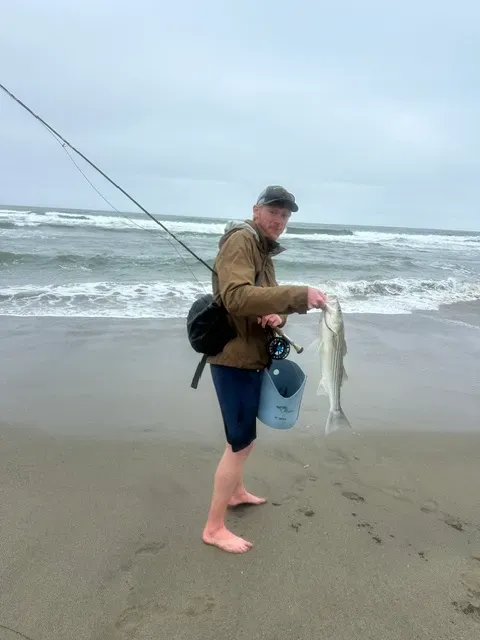
After you are suited up, the guide will hand you a fully rigged outfit. This typically consists of a fast-action, heavy-weight saltwater fly rod, paired with a sealed-drag reel and an aggressive sinking line designed to cut through the wind and ocean currents. You will also be fitted with a stripping basket, an essential piece of equipment worn around the waist that catches your retrieved line and prevents it from being swept away by the crashing waves.
Stepping Onto the Sand
With the gear sorted and the paperwork checked, the transition to the beach begins. However, you will not be rushing straight into the deep water. A high-quality shore excursion prioritises education and safety above all else.
Dry-Land Casting Instruction
Before your boots touch the water, a comprehensive casting clinic takes place on the dry sand. Saltwater fly casting is fundamentally different from delicately presenting a dry fly on a calm freshwater stream. For instance, guests participating in a dawn patrol surf casting in San Francisco will use the soft morning light to practice the double-haul technique.
Your guide will demonstrate how to load the rod effectively, manage the heavy sinking line, and punch a cast through the coastal breeze. You will spend time practising these mechanics on the beach, receiving immediate, constructive feedback. This dry-land rehearsal builds vital muscle memory, ensuring that once you are in the water, you can focus on the fish rather than struggling with your casting loop.
Reading the Surf and Water Conditions
The next phase of the educational journey involves learning to read the ocean. To an untrained eye, the coast looks like a uniform expanse of crashing waves. Your guide will teach you how to decipher the water's surface to locate underlying structures.
You will learn to identify deep parallel troughs, sandbar drop-offs, and turbulent rip currents where predatory fish lie in ambush. Understanding these hydrodynamics is crucial. You are not just blindly casting into the Pacific; you are learning to surgically target specific holding zones where baitfish are swept by the tide.
The Core Angling Experience
Once you have mastered the basic casting mechanics and understand where to aim, it is time to wade into the wash. This is where the physical thrill of the trip truly begins.
Targeting Local Species
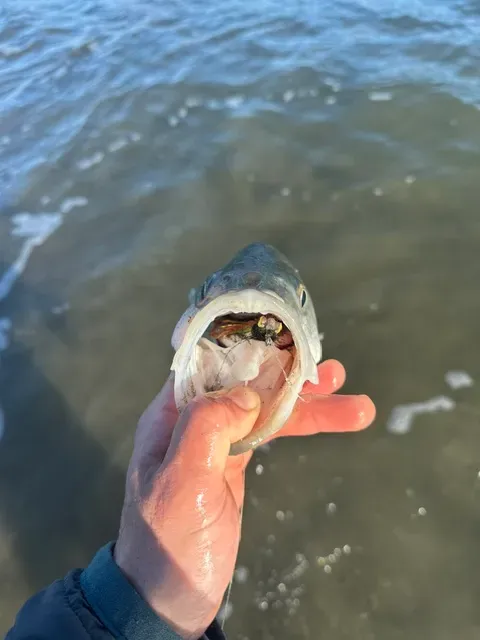
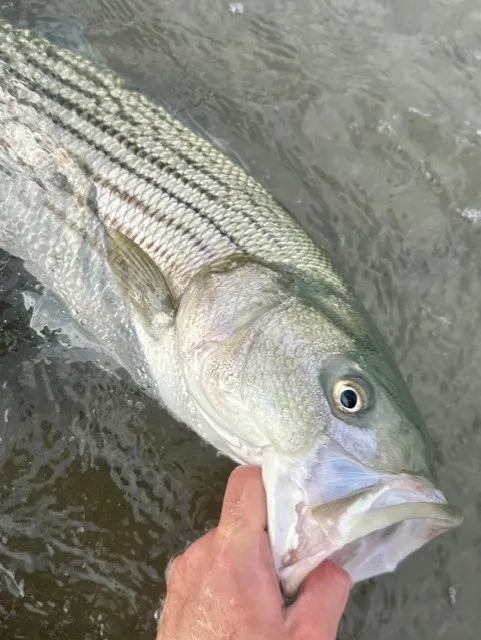
Standing knee-deep in the ocean, you will begin systematically working the water. Depending on the season and the specific beach, your target species will vary. You might find yourself casting large streamer flies into the crashing waves for aggressive striped bass, or perhaps you will be focused on halibut fishing bay area style, dragging flies slowly across the sandy bottom in deep nearshore troughs.
Your guide will remain right by your side, managing your fly selection, untangling any wind knots, and pointing out subtle changes in the water flow. To familiarise yourself with the various predators that patrol these waters, you can review a detailed local species breakdown ahead of your trip. The guide's constant presence ensures that you are always fishing the most productive water effectively.
The Thrill of the Strike
Saltwater takes are rarely subtle. When a coastal predator decides to eat your fly, the strike is aggressive and immediate. Because you are using a stripping technique to retrieve the line, you will feel the hit directly in your fingertips.
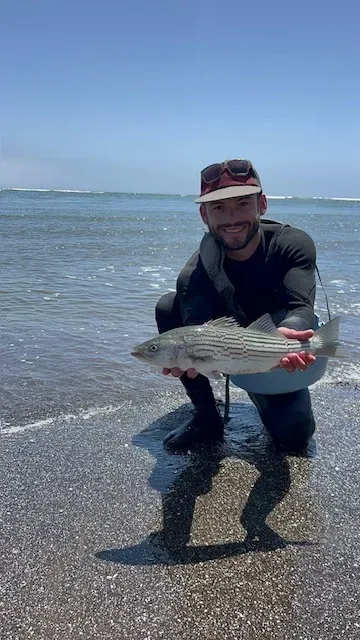
Your guide will coach you through the essential "strip set," a technique where you pull the line sharply backward to drive the hook home, rather than lifting the rod tip. Fighting a strong fish while standing in the surge of the ocean is a breathtaking experience. The guide will assist you with line management and will carefully net or tail the fish for a quick photograph before ensuring a safe release back into the wild.
Why Choose a Shore-Based Adventure
While there are many ways to experience the marine environment, choosing to fish from the sand offers distinct benefits that appeal to a wide variety of outdoor enthusiasts.
Advantages Over Traditional Boats
For many individuals, a standard san francisco fishing charter involves significant drawbacks. The most prominent issue is motion sickness, which can completely ruin a day on the water. Furthermore, boat decks can be crowded, noisy with engine rumble, and reeking of diesel exhaust.
A shore-based trip completely eliminates marine friction. Your feet remain firmly planted on solid earth. There is no engine noise, no swaying deck, and no competing for rail space with strangers. It is a tranquil, grounded, and physically engaging way to interact with the environment, allowing you to fully absorb the sights and sounds of the natural coastline.
An Immersive Educational Journey
Beyond the comfort factor, walking the beaches provides a superior platform for learning. When evaluating different fishing trips san francisco ca has to offer, shore guiding stands out for its educational value. The skills you learn on the sand—reading water, casting in the wind, managing a stripping basket—are universally applicable.
You leave the session not just with photographs of your catch, but with actionable knowledge. The goal of a premium land-based outfitter is to turn you into a self-sufficient coastal angler, capable of returning to the beach on your own and successfully reading the water.
Experience the Magic of the Surf
From the meticulous preparation of your equipment to the adrenaline rush of setting the hook in the crashing waves, a guided shoreline excursion is a phenomenal way to experience Northern California. It demands focus, rewards patience, and provides an intimate connection to a raw and beautiful marine ecosystem. By choosing a dedicated, on-foot approach, you bypass the drawbacks of heavy boat traffic and immerse yourself directly in the heart of the coastal environment. To explore more about this unique approach to angling and the philosophy behind these specialised excursions, visit the Strip Set Fly Fishing Adventures and discover the true potential of the surf.
Conclusion
Knowing what to expect from your coastal fly-fishing trip ensures that you arrive confident, prepared, and ready to absorb the vast amount of knowledge your guide will share. It is a day defined by high-end hospitality, technical instruction, and the profound beauty of the ocean. Whether you are an experienced freshwater caster looking to transition to the salt, or a complete novice eager to learn the art of the double-haul, the beach offers a welcoming yet challenging arena. The tides are constantly shifting, and the fish are waiting just beyond the sandbar. Secure your date on the sand and book now to start your next great outdoor adventure.
Frequently Asked Questions (FAQs)
1. Do I need previous fly-casting experience to book a shore trip?
No prior experience is necessary. Land-based excursions are excellent for beginners because they start with a comprehensive dry-land casting clinic. The guide will teach you the fundamental mechanics before you ever step into the water, ensuring you feel confident handling the equipment.
2. What happens if the weather is bad on the day of the trip?
Coastal weather is closely monitored. If conditions are deemed unsafe due to extreme surf, lightning, or severe winds, your guide will proactively contact you to reschedule the session or provide a full refund. Safety is always the highest priority.
3. Do I keep the fish that I catch?
No. Premium shore-based fly-fishing guides operate strictly on a catch-and-release ethos to protect the fragile coastal ecosystems and preserve local gamefish populations for future generations. All fish are handled with extreme care and returned to the water safely.
4. Can I bring my own fly rod and waders?
Yes, guests are welcome to bring their own equipment if they prefer. However, it must be suitable for harsh saltwater conditions (typically an 8 or 9-weight rod with a sealed-drag reel). If your gear is not appropriate for the surf, the guide will provide top-tier outfitter equipment at no extra charge.
5. How physically demanding is a shore-based fly-fishing trip?
Participants should be comfortable walking on loose, dry sand for up to a mile and standing in knee-to-waist-deep water against moderate wave action. While not an extreme sport, it does require a basic level of mobility, balance, and stamina.