/filters:format(jpeg,png)/fit-in/300x300/guide_websites/182861/images/1787627663117stripsetflyfishing.jpg)
/filters:format(jpeg,png)/fit-in/237x80/guide_websites/182861/images/1787627663117stripsetflyfishing.jpg)
Why Education Matters on a San Francisco Fly-Fishing Trip
%2Ffit-in%2F1000x1000%2Ffilters%3Aformat(webp)%2Fguide_websites%2F182861%2Fimages%2F1787624498324one-on-one-fly-casting-instruction-bay-area3.jpg&w=1920&q=75)
Published: September 15, 2026
The wild coastline of Northern California presents one of the most exciting and challenging environments for fly angling in North America. Where crashing Pacific waves meet shifting sandbars and deep coastal estuaries, predatory gamefish actively hunt in the shallow wash. However, stepping onto the sand with a fly rod is vastly different from standing beside a calm mountain stream or casting across a tranquil trout pond. The ocean is a dynamic force that demands technical skill, physical adaptability, and environmental awareness. Because of these unique challenges, a successful day on the beach relies far more on knowledge and mechanics than on luck alone.
For anglers of all experience levels, understanding why education forms the backbone of coastal angling is key to unlocking the full potential of the sport. Pursuing fish along the Pacific surf involves navigating heavy winds, managing sinking lines, reading complex water currents, and executing precise casts under shifting conditions. Rather than viewing a guided outing as a simple catch-focused charter, treating it as an educational journey transforms how you interact with the water. Comprehensive instruction equips you with the tools needed to decode the surf, refine your mechanics, and build a foundation of self-sufficiency that lasts long after the session ends.
The Complexity of the Northern California Coastal Environment
The waters surrounding the region are shaped by intricate oceanographic forces. Cold, nutrient-dense oceanic upwellings interact with estuarine outflows, creating a fertile marine habitat. However, this environment is constantly changing, requiring anglers to process complex environmental variables.
Unraveling the Dynamics of the Pacific Surf
To an untrained observer, the ocean along the beach appears as a uniform expanse of tumbling water and crashing foam. However, beneath the surface lies a structured underwater landscape composed of parallel troughs, deep holes, sandbars, and rip channels. Predatory fish position themselves strategically within these structural features to ambush prey dislodged by wave action.
Education allows an angler to look past surface turbulence and read the water with clarity. Learning how wave intervals affect underwater currents and how sand shifts after seasonal storms enables casters to present their flies where fish actively feed. Understanding how sf bay tides for fishing alter the volume and speed of water moving across shallow bars is essential for timing your outings to coincide with peak feeding windows.
Understanding Coastal Ecosystems and Prey Species
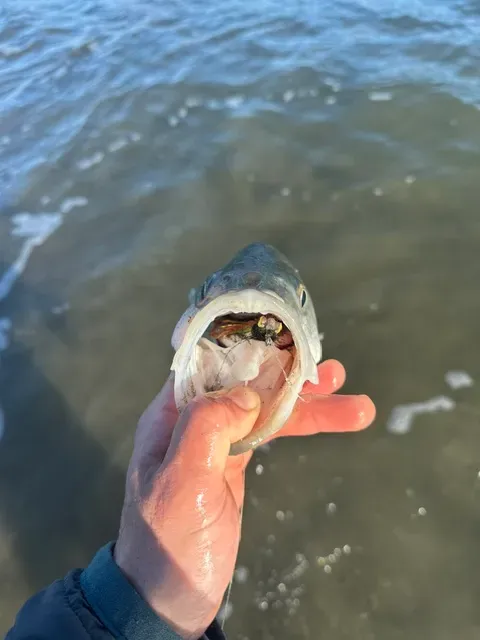
A crucial aspect of coastal instruction involves developing a thorough understanding of the local marine food web. Unlike freshwater environments where insect hatches follow predictable schedules, coastal saltwater systems are driven by forage migrations and tidal flushes. Striped bass, California halibut, and barred surfperch hunt specific prey items depending on water temperature, clarity, and season.
Anglers must learn to identify primary food sources, including northern anchovies, Pacific sand lance, market squid, and sand crabs. Education teaches casters how to select flies matching the size, profile, and swimming action of these organisms, while mastering the retrieve speeds required to trigger strikes. To gain deeper insight into the various predatory fish patrolling these coastal waters, anglers can explore our detailed local species guide.
Overcoming the Physical Demands of Saltwater Fly Casting
Saltwater shoreline fly fishing is an inherently physical discipline. Standing in moving water, enduring coastal winds, and repeatedly casting heavy sinking lines requires refined mechanics and physical efficiency.
Mastering Technical Mechanics on Foot
Casting a lightweight dry fly on a freshwater rod requires a delicate stroke and smooth timing. In contrast, casting an eight-weight or nine-weight rod loaded with a fast-sinking line into a sea breeze demands a completely different set of mechanics. Without proper instruction, anglers frequently develop poor habits, leading to line tangles, reduced distance, and severe physical fatigue.
Participating in structured fly casting lessons San Francisco sessions provides casters with hands-on coaching to master essential techniques like the double haul. Learning how to generate high line speed, maintain tight casting loops, and cast comfortably with either hand allows anglers to punch flies through coastal winds effortlessly while preserving energy throughout the outing.
Building Self-Sufficiency and Confidence on the Sand
One of the most rewarding outcomes of comprehensive instruction is developing true self-sufficiency. On traditional boat excursions, deckhands often handle line management, gear rigging, and fly tying, leaving the guest as a passive participant. In contrast, land-based instruction focuses on empowering the angler to master every aspect of the pursuit independently.
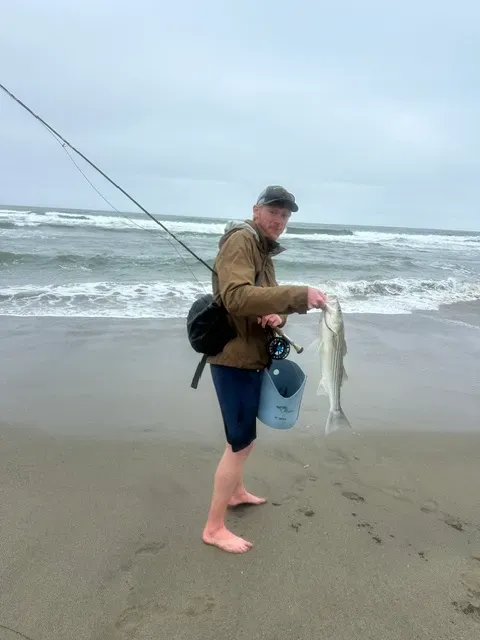
Under the guidance of an experienced instructor, clients learn how to rig heavy leaders, tie durable saltwater knots, manage loose fly line inside a stripping basket, and unhook fish safely in moving water. Developing these practical skills fosters personal confidence, allowing anglers to return to the beach on their own with the knowledge required to fish effectively.
The Role of Structured Instruction in Angler Progression
Regardless of where you are on your fly-fishing journey, structured education accelerates your growth and helps you overcome performance plateaus.
Accelerating the Learning Curve for Beginners
For individuals complete to the sport, attempting to learn saltwater fly angling independently can feel overwhelming. The steep learning curve often leads to frustration and tangled lines. Quality beginner fly fishing San Francisco programs eliminate this friction by breaking down complex concepts into accessible steps.
Instruction begins on dry sand, where beginners learn basic rod loading, line control, and safety protocols without the distraction of moving water. Once fundamental mechanics are established, participants transition into the shallow surf, receiving continuous, real-time feedback from their instructor. This supportive learning environment ensures that beginners build correct habits from their very first day on the beach.
Refining Advanced Techniques for Experienced Casters
Even seasoned freshwater anglers encounter significant challenges when transitioning to the Pacific surf. Skills honed on rivers do not automatically translate to the beach, where line control, fly depth, and wave timing follow entirely different rules.
Dedicated fly fishing instruction San Francisco clinics offer experienced casters an opportunity to fine-tune their technique for harsh marine environments. Advanced instruction covers specialised skills such as sink-rate calculations, shooting line across strong side-currents, handling large flies, and detecting subtle strikes in turbulent white water. To learn more about the seasoned professionals delivering this level of instruction, read about our expert guides.
Safety, Ethics, and Sustainable Angling Practices
Education extends beyond casting mechanics and reading water; it forms the foundation of personal safety, environmental ethics, and legal compliance along the public shoreline.
Navigating Coastal Hazards and Beach Conditions
The Pacific Ocean is a powerful environment. Rogue waves, strong rip currents, shifting sand bars, and sudden drop-offs present real risks to unsuspecting anglers. Without proper safety education, wading into the ocean surf can quickly become dangerous.
Professional instruction places a strong emphasis on coastal hazard awareness. Anglers learn how to evaluate swell height and period before stepping into the wash, how to maintain stable footing on shifting sand, and how to safely exit the water if conditions deteriorate. Instructors also teach proper wading etiquette, ensuring that participants interact with the ocean safely and responsibly.
Regulatory Compliance and Environmental Stewardship
Operating ethically along public beaches requires a firm commitment to conservation and regulatory compliance. Every angler aged sixteen and older must possess a valid ca fishing license along with an Ocean Enhancement Validation before casting into coastal waters. Securing these state permits ensures that your time on the sand actively supports marine habitat restoration and fishery management.
If you are unfamiliar with the steps required to obtain your documentation, consult our straightforward guide on how to get a California fishing license. In addition to legal compliance, educational sessions instil strong conservation values, including mandatory barbless hook usage, gentle catch-and-release techniques, and minimal-impact beach practices that preserve delicate marine ecosystems for future generations.
Transforming a Guided Outing into a Lifelong Skillset
Choosing an educational approach to coastal angling completely alters the value proposition of a guided trip. Instead of purchasing a temporary recreational activity, you are investing in a portable, lifelong skillset.
The Lasting Value of Educational Excursions
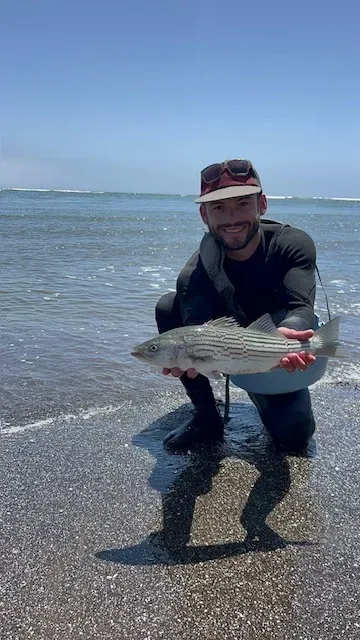
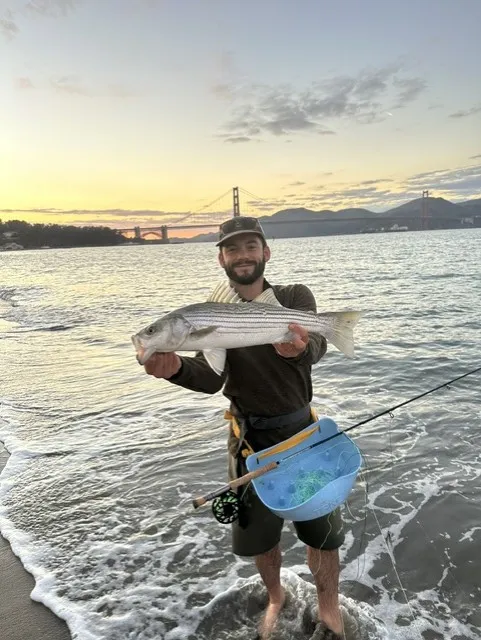
While landing a powerful striped bass or camouflaged halibut is an undeniable thrill, the true measure of a successful trip is the knowledge you retain. An educational excursion equips you with an analytical mindset that applies to coastal environments around the globe.
When you understand why fish hold in specific structural features, how tides dictate feeding activity, and how to adjust your mechanics to changing weather, you can approach any body of saltwater with confidence. This knowledge transforms every future trip into an engaging problem-solving exercise rather than a random trial-and-error effort.
Choosing the Right Educational Guided Experience
When researching various fishing trips san francisco ca options, selecting an outfitter that prioritises patient, high-end instruction is essential. Unlike fast-paced charter operations that focus strictly on fish counts, an educational outfitter tailors each outing to your specific learning goals, skill level, and personal pace.
A great instructor acts as a mentor, offering clear explanations, constructive encouragement, and practical demonstrations throughout the session. By pairing top-tier outfitter equipment with individualised coaching, educational trips deliver a rewarding outdoor experience that combines athletic engagement, environmental learning, and real skill development.
Experience World-Class Coastal Instruction
The vision behind our shoreline guiding service is built entirely around the transformative power of education, hospitality, and expert mentorship. By focusing 100% on land-based excursions along Northern California beaches, our sessions provide a stable, seasick-free environment where anglers can master double-haul mechanics, learn to read complex surf dynamics, and target hard-fighting saltwater species on foot. Whether you are stepping onto the sand for the very first time or looking to refine your technical casting in heavy wind, our patient, professional approach ensures you walk away with real confidence and lasting skills. To discover more about our shore-based philosophy and educational offerings, visit the Strip Set Fly Fishing Adventures.
Conclusion
Education is the key that unlocks the incredible world of shoreline fly fishing along the Northern California coast. By mastering casting mechanics, understanding tidal hydraulics, respecting ocean safety, and practising ethical conservation, you turn an intimidating marine environment into an accessible, highly rewarding playground. The waves are breaking across the outer sandbars, the tides are shifting, and the predators are actively hunting in the shallow wash. Take the next step in your angling journey and Book Now to reserve your private, expertly guided shore-based educational clinic today.
Frequently Asked Questions (FAQs)
1. Why is education so important for shoreline fly fishing compared to freshwater angling?
Coastal saltwater environments present unique physical and environmental challenges, including heavy surf, strong winds, fast-sinking lines, and shifting sandbars. Professional instruction helps anglers master specialized mechanics, read ocean currents, and fish safely from the beach.
2. Can complete beginners learn fly casting directly on the ocean beach?
Yes. Land-based sessions are ideal for beginners because instruction starts on dry sand, allowing participants to master basic casting mechanics, line handling, and safety protocols before wading into the shallow wash.
3. What technical casting skills will I learn during an educational shore session?
Anglers learn essential saltwater casting mechanics, including the double haul, managing line speed in wind, controlling heavy sinking lines, loading fast-action rods, and using a stripping basket efficiently.
4. How does learning to read the surf help me catch more fish?
Understanding surf dynamics allows you to identify underwater structures like parallel troughs, sandbar drop-offs, and rip currents where predatory fish congregate to ambush prey, ensuring your flies are presented in active feeding zones.
5. Do I need a state licence before participating in an educational shoreline session?
Yes. All anglers aged sixteen and older must possess a valid state sport fishing licence with an Ocean Enhancement Validation before participating in a guided coastal angling trip along public beaches or tidal bays.